Learning makeup can feel confusing when brushes, sponges, curlers, and palettes compete for attention. The 2026 guide to Beauty Tools For Beginners Learning Makeup Techniques focuses on useful tools, not crowded kits. Each recommendation should earn its place beside your mirror. A soft foundation brush, angled brow brush, clean blending sponge, and reliable eyelash curler can create a practical starting set. Small choices matter.
Professional makeup artist and educator Lisa Eldridge says, “Makeup should be fun.” That idea should guide every beginner. The best tool is not always the most expensive one. It should feel comfortable, wash easily, and help you control pressure. A dense brush may apply coverage quickly, while a fluffy brush can soften harsh edges around the cheek and eye. Beginners can notice these differences by testing one side of the face with each tool.
Clean tools matter. Wash reusable brushes regularly, let them dry fully, and replace cracked sponges. Avoid sharing eye products or applying makeup over irritated skin. These habits support both appearance and hygiene. Still, this guide is not perfect. Skin textures vary, and one brush may perform differently for different users. A beginner may also buy too much too soon. That is a useful lesson, not a failure. Start with a few dependable tools, practice in natural light, and review what actually improves your technique. The goal is steady confidence, not a flawless first attempt.
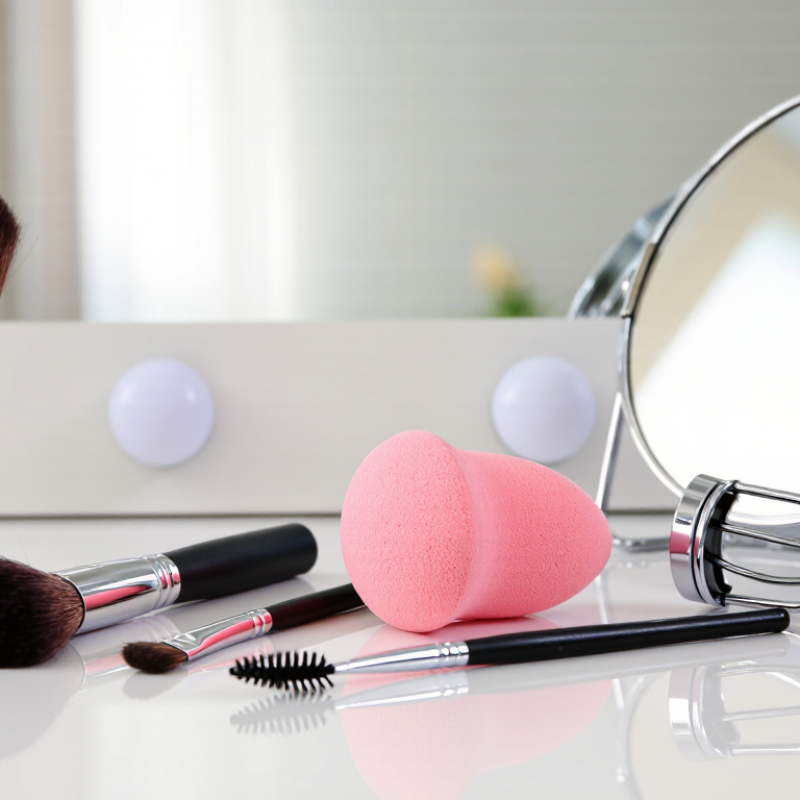
Understanding essential beauty tools begins with matching each tool to a specific learning task. A soft, medium-sized brush helps beginners blend foundation without leaving sharp edges. A smaller brush offers better control around the nose and eyes. A damp makeup sponge can soften visible streaks, though it may absorb product. Keep tools simple. A mirror, clean brushes, and a washable sponge are enough to practise basic application. More tools can create more confusion.
Industry context matters, but market growth does not prove that beginners need a large kit. McKinsey’s 2023 beauty-industry report estimated the global beauty market at about $430 billion in 2022, with growth projected through 2027. That broad figure includes many product categories; it is not a measure of makeup-tool use. For learners, practical evidence comes from repeated practice: notice whether a brush feels scratchy, whether its handle is easy to grip, and whether it cleans fully between uses. Small details matter. I still find that a tool that looks useful can feel awkward after ten minutes. Wash reusable tools regularly, let them dry completely, and replace those with damaged bristles or cracked surfaces. Cleaning is part of the technique, not an optional extra.
Start with a clean mirror, soft lighting, and three useful brushes. A flat brush helps place foundation around the nose. A fluffy brush blends blush softly. A damp sponge creates lighter coverage on dry areas. You do not need a crowded kit.
Use a thin layer and gentle pressure. Heavy rubbing may irritate sensitive skin. Check your face near a window after application. Natural light reveals uneven blending better than warm bathroom lighting. Small layers work better.
Begin with a matte neutral shade and a small blending brush. Compare both eyes before adding more color. Keep cotton swabs nearby for small corrections. One side may become darker. That happens.
Wash reusable brushes weekly with lukewarm water and gentle cleanser. Keep water below the metal ferrule. Excess moisture can loosen glue and cause shedding. Clean sponges after every use. Squeeze them carefully, then air-dry them completely.
A sealed, damp sponge can develop odors, discoloration, and trapped residue. Store it in open air until fully dry. I once noticed a sour smell too late. That mistake was avoidable.
Keep them in a dry, ventilated container. Store them away from toilets, sinks, and direct sunlight. Avoid placing clean tools on wet countertops. A dry space is safer.
Replace tools that are cracked, moldy, permanently stained, or misshapen. Also replace brushes that shed heavily. Frequently used sponges may need replacement every one to three months. There is no perfect calendar. Inspect the tool’s condition instead.
Avoid sharing eye tools, especially during irritation or infection. After an eye infection, replace related eye cosmetics and tools. A short inspection can prevent transferring old oil, pigment, or bacteria. Mirrors can hide problems. Photos sometimes reveal them.
Learning makeup becomes easier when beginners understand how each tool supports a specific step. Beauty Tools For Beginners Learning Makeup Techniques should include a balanced selection of brushes for foundation, concealer, eyeshadow, and blush, along with sponges, applicators, and a clear mirror for controlled application. Beginners can build their kit gradually according to their skill level and daily routine, starting with versatile tools before adding specialized options. Choosing comfortable handles, soft materials, and practical shapes can improve precision while making practice more enjoyable.
A step-by-step routine helps learners develop confidence: prepare the skin, apply base products evenly, define the eyes, add color to the cheeks, and finish with the lips. Good lighting and a clean workspace also support better results. After each use, tools should be cleaned appropriately, dried completely, and stored in a dust-free container. Brushes, sponges, and other applicators should be checked regularly and replaced when they become damaged, stained, or difficult to clean.

 Maray Beauty