Busy mornings leave little room for complicated beauty rituals. The right devices can shorten each step without turning your bathroom into a laboratory. This guide explores Beauty Tools For Efficient Morning Beauty Routines, focusing on practical performance, skin comfort, and safe daily use.
The 2026 selection considers sonic cleansing brushes, compact facial steamers, heated eyelash curlers, red-light devices, and fast-drying hair tools. Each tool should earn its place beside the sink. We will compare preparation time, cleaning demands, battery life, heat control, and realistic results. A tool that saves three minutes but irritates sensitive skin is not truly efficient. Small details matter, such as a washable brush head or an automatic shutoff after ten minutes.
Dr. Joshua Zeichner, a board-certified dermatologist and Director of Cosmetic and Clinical Research at Mount Sinai, has said, “The best skin-care routine is one that you can stick with.” That principle guides this overview. Efficient beauty should feel repeatable, not rushed or punishing. Still, no device suits everyone. I may prefer a heated curler for speed, while another user may find traditional mascara gentler and simpler. Marketing claims also deserve skepticism. LED masks, for example, require consistent use and suitable eye protection. Results can vary.
Expect honest comparisons, visible limitations, and useful morning scenarios. Picture a cool metal roller beside a steaming coffee mug, or a quiet dryer finishing damp hair before a commute. The goal is not perfection. It is a dependable routine that respects time, skin, and evidence.
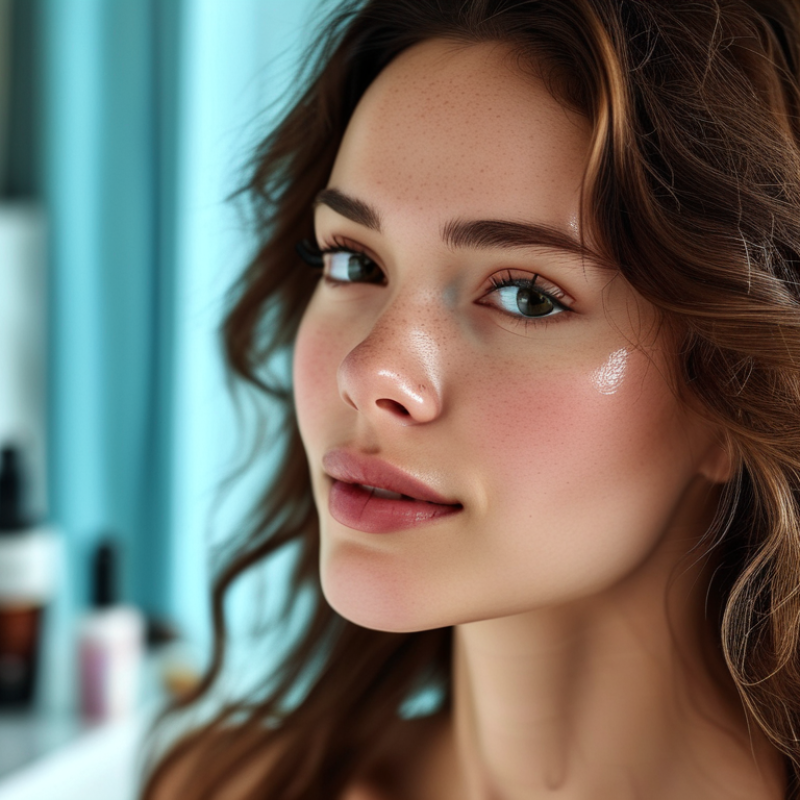
2026 Top Beauty Tools For Fast Morning Routines
McKinsey projects roughly 6% annual growth for the global beauty market through 2028. That forecast changes what “fast” should mean in 2026. Consumers may want fewer steps, but not careless ones. A useful morning tool should combine functions, reduce cleanup, and support consistent results before work or travel.
McKinsey also estimates the market could approach $590 billion by 2028. Circana reported that U.S. prestige beauty sales grew 8% in 2024, showing continued demand for performance-led products. These figures suggest stronger interest in tools that save time without feeling disposable. Look for adjustable heat, clear timing controls, washable surfaces, and comfortable grips. Skin-contact tools need easy cleaning. Small details matter.
The best routine may take eight minutes. Start with gentle cleansing, then use one tool for targeted styling or skin preparation. Avoid buying every new device. That is easy advice, but difficult in practice. Marketing often makes speed look universal, although hair texture, skin sensitivity, and dexterity vary widely. A 2026 toolkit should fit real mornings: a fogged bathroom mirror, one free hand, and limited battery power. Test one tool for two weeks. Keep it only if the result is repeatable. Some “smart” features may be unnecessary. Reliability still wins.
| Beauty Tool | Primary Morning Task | Typical Active Time | Best Routine Stage | Useful Performance Metric | 2026 Consumer Need Addressed | Safety and Hygiene Considerations | Evidence-Based Note |
|---|---|---|---|---|---|---|---|
| Multi-Function Facial Cleansing Brush | Removes surface oil, sunscreen residue, and loose debris before skincare application. | 60–90 seconds | Immediately after wetting the face | Gentle contact, adjustable intensity, and a fully rinsable brush head | Fast cleansing with less hand effort and a repeatable routine | Use light pressure; rinse after every use and allow the head to dry completely. | Dermatology guidance generally favors gentle cleansing and avoiding aggressive scrubbing, especially for sensitive skin. |
| Facial Ice or Cooling Roller | Provides a temporary cooling and de-puffing effect around the face. | 1–3 minutes | After cleansing and before makeup | Even cooling surface and controlled glide without pulling the skin | Visible freshness with minimal preparation and no drying time | Keep the surface clean; do not apply extreme cold directly to skin for prolonged periods. | Cooling can temporarily reduce the appearance of puffiness through local vasoconstriction, but it is not a permanent treatment. |
| LED Facial Light Device | Supports a consistent light-based skincare step before moisturizer or sunscreen. | 5–10 minutes | After cleansing, before leave-on products | Consistent wavelength output, timed sessions, and full face coverage | At-home care that can be completed while preparing for the day | Follow the device instructions; use eye protection when required and check for photosensitivity risks. | Common consumer specifications include red light near 630–660 nm and near-infrared light near 830–850 nm; results depend on regular use and device quality. |
| Heated Eyelash Curler | Lifts and shapes lashes without requiring a long makeup application. | 30–60 seconds | Before mascara | Fast heat-up, stable temperature, and a guarded contact surface | Quick definition for a polished appearance with fewer makeup products | Test warmth before use; keep the device moving and avoid contact with the eye surface. | Heat can weaken or dry lashes when excessive, so the lowest effective temperature is preferable. |
| Precision Facial Trimmer | Removes or tidies small areas of facial hair, including brows and upper-lip areas. | 2–5 minutes | Before skincare or makeup | Guard options, skin-safe blade design, and easy cleaning | Compact grooming for last-minute preparation and travel routines | Use on clean, dry skin; do not share the blade head and disinfect according to instructions. | Trimming cuts hair at the surface and does not permanently change hair-growth rate or thickness. |
| Fast-Dry Hair Dryer with Concentrator | Reduces drying time while directing airflow for smoother styling. | 5–10 minutes | After washing or refreshing damp hair | Airflow control, multiple heat settings, and a concentrated nozzle | Time efficiency, styling control, and reduced dependence on multiple tools | Keep the dryer moving; use moderate heat and maintain distance from the scalp and hair shaft. | Excessive heat can damage the hair cuticle; lower temperatures and shorter exposure reduce thermal stress. |
| Heated Styling Brush | Smooths, shapes, or refreshes dry hair in one pass. | 3–7 minutes | After hair is fully dry | Adjustable temperature, ceramic-coated surface, and automatic shut-off | Combines brushing and styling to reduce the number of morning steps | Use only on dry hair unless the tool is specifically designed for damp hair; avoid repeated passes. | Hair is more vulnerable to heat when wet, making full drying and temperature control important. |
| Water Flosser | Helps clean between teeth and along the gumline as part of morning oral care. | 60–90 seconds | Before or after toothbrushing | Adjustable pressure, removable reservoir, and interchangeable tips | Efficient interdental cleaning for users who find string floss difficult | Start at a low pressure; clean and air-dry the reservoir and tip regularly. | Interdental cleaning is recommended as an addition to toothbrushing; individual technique and dental advice remain important. |
| Compact UV-Free Tool Sanitizing Case | Stores small personal tools in a clean, dry, and organized compartment. | Passive storage | Between uses | Ventilation, washable interior, and separated storage zones | Improves portability and supports consistent tool hygiene without adding morning steps | Storage does not replace washing or disinfecting; tools should be dry before being enclosed. | Moist, enclosed environments can support microbial growth, so drying and routine cleaning are essential. |
: One tool may combine cleansing, gentle massage, and controlled warming. It can reduce countertop clutter. However, extra modes may slow a rushed routine. Simple controls often work better.
Prioritize useful functions, adjustable intensity, clear instructions, and easy-to-clean surfaces. A three-minute device may outperform one with ten confusing modes. Flashy specifications are not proof of better results.
No. Wattage measures electrical input, not guaranteed airflow. Motor efficiency, nozzle design, moisture, and hair density also affect drying time.
A compact dryer may reach workable dryness in about six minutes. A heated brush may take four to seven minutes. A flat iron may finish in three minutes after complete drying.
Start with the lowest effective setting. Fine hair usually needs less heat. Dense hair may need controlled passes instead of repeated touching. My timing was imperfect.
No. Use it only after the hair is completely dry. Damp hair can create steam damage. Apply heat protectant and dry the roots carefully.
Look for several heat levels, a cool setting, clear buttons, and automatic shutoff. These features reduce rushed mistakes. They do not replace careful use.
Keep it away from water, fabric, cosmetics, and clutter. Place it on a stable, heat-resistant surface. Inspect the cord and vents before use. Stop immediately if you notice smoke, sparking, unusual odor, or uneven heating.
Track changes for two weeks before switching routines. Use one function at a time. Skin type, consistency, and product compatibility still matter. Market growth is not personal proof.
Beauty Tools For Efficient Morning Beauty Routines should focus on speed, versatility, safety, and practical results. With the beauty market projected to grow by about 6% annually and beauty devices showing a 20.3% compound annual growth rate, consumers are increasingly seeking tools that perform multiple functions while saving time. The best choices may combine cleansing, skin preparation, drying, styling, or finishing steps in a compact routine.
A fast routine should always begin with prepared skin, including broad-spectrum SPF 30 or higher during daytime. For hair styling, compare tools by the minutes they save, their wattage, temperature range, and level of user control rather than relying on appearance alone. Heated devices should also be checked against IEC 60335 safety principles, used according to their instructions, and handled carefully to reduce the risk of burns or damage. With thoughtful selection, a streamlined morning routine can be efficient without sacrificing skin protection, hair care, or personal safety.

 Maray Beauty