A skincare routine often fails for a simple reason: it feels difficult to repeat. Products may sit untouched in a drawer, while busy mornings leave little time for careful application. The right tools can reduce this friction. Beauty Tools For Improving Skincare Routine Consistency include facial timers, organized trays, soft cleansing cloths, silicone applicators, skincare refrigerators, headbands, and reminder apps. Each tool should make one action easier, cleaner, or more memorable.
Board-certified dermatologist and skincare researcher Dr. Zoe Diana Draelos offers a practical principle: “Consistency is more important than complexity.” That idea guides this article. A small tray beside the sink can keep cleanser, moisturizer, and sunscreen visible. A two-minute timer can prevent rushed cleansing. A washable headband can keep hair away from wet products. Tiny details matter.
Still, tools are not magic. Some users over-cleanse with electric brushes or collect devices they rarely use. I have done that too. A product can look impressive and remain useless if it creates extra steps. Hygiene also matters. Wash reusable tools, replace worn parts, and follow the manufacturer’s instructions. Patch-test products when irritation is possible. Stop using any device that causes persistent redness, burning, or discomfort.
The following seven tips focus on realistic habits, not perfection. They explain how to choose, position, clean, and use beauty tools without overwhelming your routine. Progress may look ordinary. That is often the point.
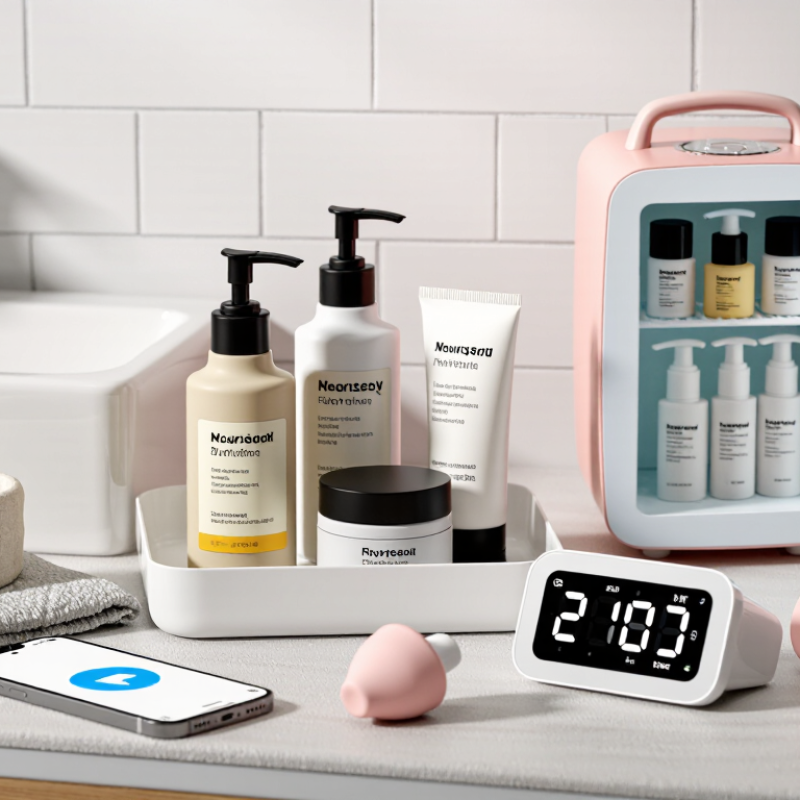
Choosing the Right Beauty Tools for Your Skincare Goals
7 Beauty Tools Tips for Skincare Routine Consistency
Choosing the right beauty tool starts with your skincare goal, not a popular trend. For gentle cleansing, choose a soft, washable silicone brush with flexible bristles. Avoid harsh scrubbing, especially when your skin feels tight or irritated. Tip 1: Match the tool to your skin concern. Tip 2: Select adjustable intensity when possible. Sensitive skin often needs less pressure. Tip 3: Read the cleaning instructions before buying. A tool that is difficult to wash may collect residue and bacteria.
For product application, clean hands usually remain the most reliable option. A smooth facial roller may help spread moisturizer evenly, but it cannot replace sunscreen or treatment products. Tip 4: Use rollers only on clean skin. Tip 5: Store them in a dry, covered place. Cooling a tool can feel soothing, though the effect is temporary. I sometimes overestimate this comfort and mistake it for a real skincare result.
Consistency also depends on convenience. A small, easy-to-rinse tool may fit your routine better than an expensive, complicated device. Tip 6: Choose a tool you will use three times weekly. Tip 7: Stop when stinging, swelling, or persistent redness appears. Clean reusable tools after every use, and replace damaged surfaces. Results are easier to assess when you introduce one tool at a time and record changes for several weeks.
Preparing and Cleaning Tools Before Each Skincare Session
7 Beauty Tools Tips for Skincare Routine Consistency
Preparing and Cleaning Tools Before Each Skincare Session
Consistency starts before the product touches your face. Wash your hands with soap for at least 20 seconds, following CDC hand-hygiene guidance. Place clean tools on a fresh towel, not beside the sink. Check silicone heads, rollers, and spatulas for cracks or residue. Small defects can trap microbes. I used to skip this inspection when mornings felt rushed. That habit was not sensible.
A 2019 Journal of Applied Microbiology study examined 467 used cosmetic products. It reported microbial contamination in 70–90% of samples. Used sponges showed especially high contamination rates. Although skincare tools differ from makeup products, the risk principle remains relevant. Clean reusable tools after every session with warm water and a mild, fragrance-free cleanser. Follow the tool’s care instructions. Avoid boiling, harsh solvents, or prolonged soaking unless approved. Rinse until the water runs clear, then air-dry completely.
Keep one tool for one purpose. Do not share facial rollers, extraction tools, or cleansing brushes. The American Academy of Dermatology recommends cleaning reusable makeup brushes every seven to ten days. Facial tools touch freshly cleansed skin more often, so more frequent cleaning is reasonable. My weak point is drying time. A tool may look clean but remain damp inside. Store it only after it feels fully dry, and replace it when the surface becomes rough, cracked, or difficult to clean.
Using Beauty Tools in the Correct Order and Technique
7 Beauty Tools Tips for Skincare Routine Consistency
Using Beauty Tools in the Correct Order and Technique
A consistent skincare routine depends less on owning many tools than using each one correctly. In my experience, rushed sequencing causes more irritation than helpful results. Tip one: wash your hands and clean the tool before touching your face. Tip two: start with a gentle cleanser, then pat your skin almost dry. Tip three: apply a hydrating mist or serum before tools that glide across the skin. A dry surface creates drag. It can sting.
Tip four: use the least stimulating tool before a more active one. A cooling roller may come before a massage tool, while exfoliating devices should not follow either. Check the instructions, because similar-looking tools can work differently. Tip five: use light pressure, moving from the center outward. Do not pull the delicate skin near your eyes. Three slow passes are usually enough. More is not always better. Tip six: limit frequency. An exfoliating device may suit weekly use, but sensitive skin may need less. Patch-test new products first, and stop if burning persists.
Tip seven: clean the tool immediately after use and let it dry fully before storage. A damp drawer is not a skincare strategy. Keep a simple log for two weeks, noting the tool, product, pressure, and skin response. This creates useful evidence. I once assumed redness meant better stimulation; it only showed I was too forceful. That mistake changed my technique. If swelling, pain, or lasting irritation appears, pause and seek advice from a qualified dermatologist.
7 Beauty Tools Tips for Skincare Routine Consistency
Use beauty tools in the correct order and at a realistic weekly frequency.
Start with clean skin, apply a water-based product when appropriate, and use tools from gentlest to more intensive. Daily cleansing is commonly recommended, while exfoliation and device-based treatments should be limited to avoid irritation. Follow the instructions supplied with any light, microcurrent, or professional treatment device.
Planning frequencies shown are general skincare guidance rather than medical prescriptions. Sources:
American Academy of Dermatology
and
U.S. FDA LED light therapy guidance.
Building a Consistent Routine with Simple Tool Habits
Building a Consistent Routine with Simple Tool Habits
Consistency rarely comes from buying more tools. It comes from making each tool easy to use and easy to clean. A peer-reviewed habit study by Lally and colleagues found that automatic behavior took a median of 66 days to develop. Start with one repeatable cue, such as cleansing after brushing your teeth. Tip 1: Keep your main tool beside the sink. Tip 2: Use it at the same time each evening. Tip 3: Set a gentle two-minute limit, not an exhausting ritual.
Cleanliness protects your skin barrier. The American Academy of Dermatology recommends washing makeup brushes every seven to ten days, while more frequent cleaning may suit tools used on acne-prone skin. Tip 4: Rinse reusable tools after each use. Tip 5: Wash them weekly with mild soap, then air-dry completely. A damp tool left in a closed drawer can become unpleasant quickly. I still forget this sometimes. That is useful feedback, not failure.
Technique matters more than pressure. Tip 6: Glide facial massage tools over moisturized skin, using light strokes. Avoid broken, irritated, or freshly over-exfoliated areas. Tip 7: Store sharp-edged or textured tools separately, and replace anything cracked or difficult to clean. The AAD also advises stopping products that cause burning or stinging. Your routine should feel calm, not like a test of endurance. Take a weekly photo of your setup, not only your skin, and notice which habit actually survives busy mornings.
7 Beauty Tools Tips for Skincare Routine Consistency - Building a Consistent Routine with Simple Tool Habits
| Tip |
Beauty Tool |
Recommended Habit |
Suggested Frequency |
Primary Benefit |
Safety and Hygiene Note |
| 1 |
Skincare headband |
Put it on before cleansing to keep hair away from the face and create a clear routine starting cue. |
Every morning and evening routine |
Reduces distractions and helps products stay in contact with clean skin. |
Wash regularly, especially after exercise or heavy perspiration. |
| 2 |
Gentle cleansing cloth |
Use light pressure with lukewarm water; avoid scrubbing back and forth. |
Daily, if the skin tolerates it |
Supports thorough removal of cleanser, sunscreen, and surface residue. |
Use a clean cloth each time and stop if redness, stinging, or dryness develops. |
| 3 |
Facial cleansing brush |
Treat it as an optional cleansing aid rather than a required exfoliator; use the gentlest setting. |
Start 1–2 times weekly |
Can make cleansing feel more structured and help remove surface buildup. |
Do not share; rinse and air-dry after use, and avoid irritated or broken skin. |
| 4 |
Measuring spoon or dropper |
Use a consistent amount of leave-on products instead of estimating from memory. |
Whenever applying treatments or sunscreen |
Improves repeatability and helps prevent applying too much or too little product. |
Keep the tool clean and avoid touching the applicator directly to the skin. |
| 5 |
Skincare timer |
Set a short reminder for routine time rather than waiting until the end of a busy day. |
Once daily or at the preferred routine time |
Turns skincare into a regular cue-based behavior. |
Use the reminder to support—not extend—the routine; more steps are not automatically better. |
| 6 |
Clean product spatula |
Scoop creams from jars with a clean spatula instead of repeatedly using fingers. |
At every jar-based application |
Helps limit transfer of oil, dirt, and microbes into the product. |
Wash and dry the spatula after use; follow the product’s storage instructions. |
| 7 |
Routine checklist |
Keep a simple seven-day checklist with only essential steps: cleanse, moisturize, and use sunscreen in the morning. |
Review once daily; reset weekly |
Makes skipped steps visible and encourages a sustainable routine. |
Track comfort and irritation as well as completion; simplify if the skin becomes sensitive. |
Practical baseline: consistency, gentle application, clean tools, and daily broad-spectrum sunscreen are generally more useful than adding many devices or complex steps.
Tracking Results and Adjusting Your Skincare Tool Routine
A consistent skincare tool routine becomes easier when results are visible and measurable. The World Health Organization’s Adherence to Long-Term Therapies report estimates that adherence averages only 50% in long-term care. Skincare is not identical to medical treatment, but the lesson remains useful: complicated routines often fail.
Keep it boring.
Take one photo each week in the same room, distance, and daylight. Record the tool type, intensity, duration, and application area.
Note redness, dryness, comfort, and breakouts within 24 hours. A simple five-point skin comfort scale can reveal patterns that memory misses.
Circana’s 2024 U.S. beauty market reporting highlights continued consumer interest in products supported by efficacy claims, but visible claims still need personal tracking.
Change one variable. Use the tool twice weekly for four weeks before judging progress, unless irritation appears. If skin feels tight, reduce frequency before increasing products. If redness lasts into the next day, pause and seek advice from a qualified dermatologist.
The American Academy of Dermatology recommends patch testing new skincare products, which can also support safer tool adjustments. Do not compare photos after changing lighting, filters, or camera distance.
That mistake is easy.
Review your log every Sunday. Keep what feels helpful, remove what adds effort, and question improvements that appear only in edited images.
My imperfect habit is skipping notes when life gets busy. A 30-second entry is more reliable than a perfect routine performed for three days.
Conclusion
A consistent skincare routine becomes easier when you choose Beauty Tools For Improving Skincare Routine Consistency according to your personal goals, such as cleansing, gentle exfoliation, massage, or product application. Before every session, wash and dry each tool properly, inspect it for damage, and use it only on clean skin. Following the correct order and technique is equally important: begin with cleansing, apply suitable skincare products, and use tools with light, controlled movements rather than excessive pressure.
Simple habits can make your routine more reliable. Store tools in a clean, accessible place, assign them specific uses, and set a regular schedule that fits your lifestyle. To understand whether your routine is helping, track changes in skin comfort, texture, hydration, and appearance over time. If irritation or discomfort occurs, reduce frequency, adjust your technique, or pause the tool until your skin feels balanced. Consistency, cleanliness, and gradual adjustment are the keys to making beauty tools a practical part of daily skincare.

 Maray Beauty