In the world of beauty tools, choosing the right materials is crucial. The effectiveness of a tool often hinges on its construction. A clear understanding of the “Beauty Tool Material Comparison for Hygiene and Durability” is key for beauty enthusiasts. This comparison helps in making informed choices that enhance personal care routines.
Different materials offer varying levels of hygiene and longevity. For example, stainless steel is renowned for its durability and easy sanitation. On the other hand, plastic tools, while lightweight, often wear out quicker and can harbor bacteria. Such nuances require careful examination.
However, many consumers overlook these details. It’s easy to prioritize aesthetics over functionality. Yet, selecting superior materials directly impacts skin health and product effectiveness. The right choice can prevent irritation and ensure tools last longer, saving money in the long run. Understanding these facets can lead to more rewarding beauty experiences.
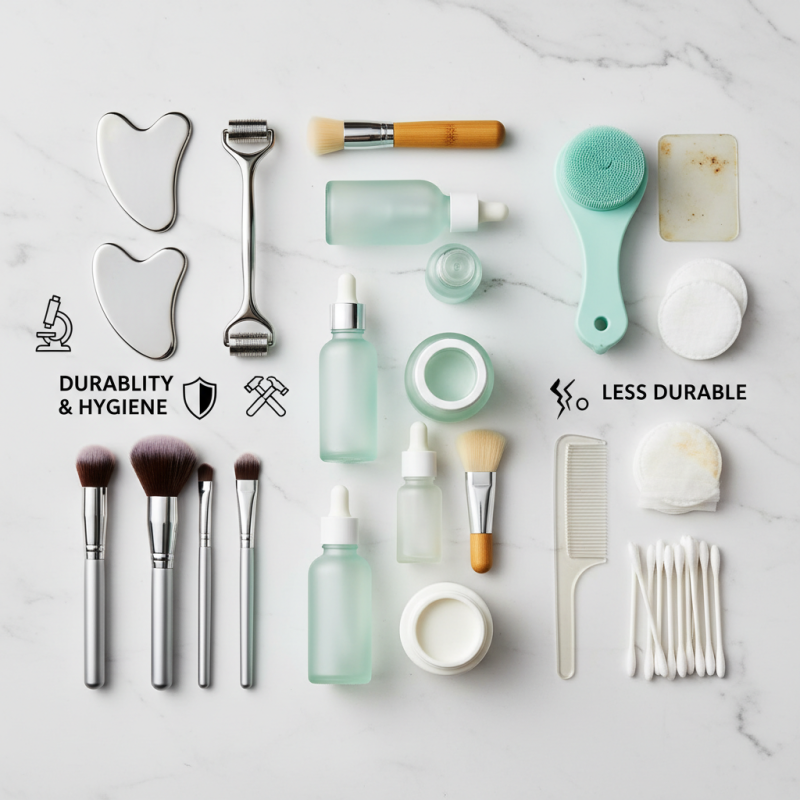
When selecting beauty tools, the materials they are made from greatly influence both hygiene and durability. According to a recent industry report, stainless steel is one of the top materials for hygiene standards. Its non-porous surface prevents bacterial growth, making it ideal for tools like tweezers and scissors. Another strong contender is medical-grade silicone, praised for its low allergenic properties and ease of sterilization.
Wood, while often overlooked, can harbor bacteria if not properly cared for. Reports indicate that wooden tools need thorough cleaning after each use, which might be a hassle for some. While they can provide a natural feel, the risk of contamination is a significant concern. For effective hygiene, tools should be inspected regularly for signs of wear or damage.
Tip: Always choose tools made from non-porous materials for enhanced safety.
Plastic is lightweight and easy to use but may not withstand high temperatures for sterilization. This compromises hygiene, which is crucial for makeup brushes or applicators. Evaluate tools regularly. Those showing signs of wear should be replaced promptly.
Tip: Regularly clean beauty tools with appropriate solutions to maintain hygiene.
When considering the durability of beauty tool materials, it's essential to weigh each option.
Stainless steel is known for its strength, providing a long-lasting choice. Tools made from stainless steel resist rust and are easy to clean. However, they can feel heavy in hand, which some users find unappealing.
On the other hand, plastic tools offer lightweight convenience. They are often less expensive, making them accessible to many. Yet, plastic can be less resilient over time, leading to potential breakage. Users may notice wear and tear sooner than with metal options. Not all plastics are created equal, so quality varies greatly between products.
Silicone is another popular material. It is flexible and durable, making it suitable for a range of beauty applications. However, silicone can stain easily and may retain odors. This raises hygiene concerns for some users. Each type of material has its pros and cons, making it important for users to reflect on their priorities in durability and hygiene.
Stainless steel is a popular choice for beauty tools due to its impressive properties. One major advantage is its non-porous surface, which helps inhibit bacterial growth. According to a study published by the Journal of Clinical Microbiology, stainless steel reduces microbial survival by about 99% compared to plastic. This is crucial in preventing skin infections and ensuring user safety.
The durability of stainless steel also plays a role in hygiene. Beauty tools made from this material can withstand frequent cleaning and sterilization. A report from the American Journal of Infection Control highlights that tools subjected to high temperatures do not compromise their structural integrity. In contrast, materials like plastic often deteriorate, potentially harboring bacteria in microscopic cracks.
While stainless steel is not completely impervious to bacteria, it remains one of the best options available. However, improper maintenance can still lead to contamination. Users must regularly clean and sanitize their tools, regardless of the material. Neglecting these practices can undermine the advantages stainless steel offers. Therefore, ongoing education about proper care is essential for anyone in the beauty industry.
Eco-friendly materials in beauty tools are gaining traction. With over 60% of consumers preferring sustainable options, this trend reflects a shift in priorities. Many brands now emphasize biodegradable materials and recyclable components. For example, bamboo handles are popular for brushes. Bamboo grows quickly and has natural anti-bacterial properties.
However, the challenge remains. Not all eco-friendly materials perform as well as traditional ones. Some biodegradable plastics lose shape or durability over time. A study indicated that 45% of users experienced dissatisfaction with the longevity of these products. This highlights the need for more research and innovation.
Sustainability doesn’t just mean using new materials. It also involves reducing waste in production. Tools crafted with precision and quality can last longer, thus reducing their environmental impact. Incorporating natural fibers, such as organic cotton, can enhance both performance and sustainability. While the journey towards fully eco-friendly beauty tools isn't perfect, the industry is moving in the right direction.
| Material | Hygiene Rating | Durability Rating | Eco-Friendly |
|---|---|---|---|
| Stainless Steel | High | High | Yes |
| Silicone | Medium | Medium | Yes |
| Bamboo | High | Medium | Yes |
| Recycled Plastic | Medium | Low | Yes |
| Natural Rubber | Medium | Medium | Yes |
| Glass | High | High | Yes |
| Aluminum | Medium | High | No |
| Ceramic | High | High | Yes |
| TPE (Thermoplastic Elastomer) | Medium | Medium | Yes |
When it comes to beauty tools, material choice plays a critical role in hygiene and durability. Recent surveys reveal that over 70% of beauty professionals prefer stainless steel for tools like tweezers and scissors. Stainless steel is resistant to rust and easy to sanitize, which aligns with industry standards. This preference stems from its longevity and ability to withstand repeated sterilization.
In contrast, consumers show a growing interest in silicone brushes and applicators. Reports indicate a 40% uptick in sales for silicone tools, as they are non-porous and can be cleaned easily. Despite their appeal, some users express concerns about their performance compared to traditional brushes. These insights highlight the importance of balancing hygiene with practicality and consumer preferences.
Data also suggests that 60% of beauty professionals advocate for materials that offer the best user experience while ensuring safety. This debate around material preferences is ongoing. There remains a need for continuous education on best practices in tool maintenance and material characteristics. As the industry evolves, professionals and consumers alike will have to rethink their choices to better align with both hygiene standards and personal effectiveness.
: Stainless steel and medical-grade silicone are top choices for hygiene.
Wood can harbor bacteria if not cleaned properly, posing a contamination risk.
Plastic tools should be evaluated regularly and replaced if worn or damaged.
Some eco-friendly materials, like biodegradable plastics, may lack durability compared to traditional options.
Over 60% of consumers now prioritize eco-friendly options in their beauty tools.
Over 70% prefer stainless steel due to its rust resistance and easy sanitization.
Many eco-friendly materials struggle with performance and longevity, leading to user dissatisfaction.
Continuous education on maintenance practices and material characteristics is essential for hygiene.
Bamboo and organic cotton are gaining traction for their sustainability and performance.
Yes, a balance between hygiene, user experience, and consumer preferences is still being discussed.
This article provides a comprehensive "Beauty Tool Material Comparison for Hygiene And Durability" by exploring the top ten materials commonly used in beauty tools. It begins with an overview of hygiene standards, emphasizing the importance of material choice in preventing bacterial contamination. The comparative analysis reveals how different materials, such as plastic, wood, and silicone, vary in terms of longevity and resilience, with stainless steel standing out for its durability and ability to inhibit bacterial growth.
Further, the discussion highlights the growing trend towards eco-friendly materials that balance sustainability with high performance, reflecting both industry insights and consumer preferences. By examining these aspects, the article serves as a crucial resource for beauty professionals and consumers alike, aiming to make informed decisions about the tools they choose for optimal hygiene and durability.
