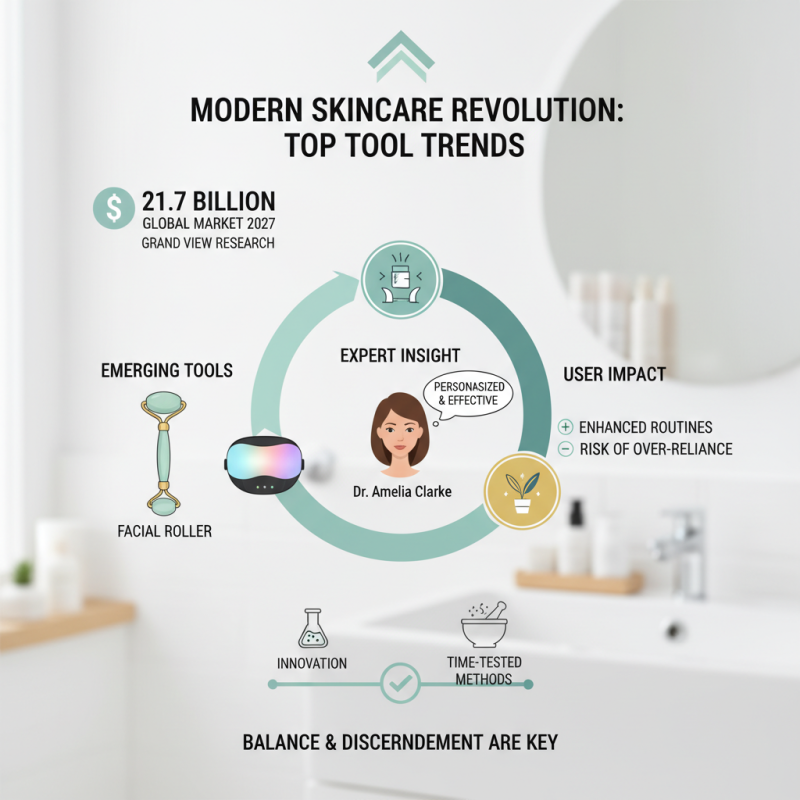
The landscape of skincare is rapidly evolving, driven by emerging beauty tool trends shaping modern skincare routines. According to a recent report by Grand View Research, the global beauty tools market is projected to reach $21.7 billion by 2027, highlighting significant consumer interest.
Expert in beauty innovation, Dr. Amelia Clarke, states, “Beauty tool trends are redefining how we approach skincare, making it more personalized and effective.” These tools, such as facial rollers and LED masks, have changed the way many individuals achieve their skincare goals. While these trends can enhance routines, there is a risk of over-reliance on these gadgets, leading to potential neglect of fundamental skincare practices.
Engaging with these trends requires balance. Understanding how to use such tools effectively is crucial. Additionally, some tools promise impressive results but lack robust scientific validation. Skincare should remain a holistic endeavor, integrating both innovation and time-tested methods for optimal results. Therefore, it’s essential to remain discerning amidst the latest beauty tool trends shaping modern skincare routines.
Emergence of High-Tech Skincare Devices in Recent Years
In recent years, a surge in high-tech skincare devices has transformed beauty routines. Many users seek solutions beyond traditional products. According to a recent report by Grand View Research, the global skincare device market is projected to reach $24.6 billion by 2025, growing at a compound annual growth rate (CAGR) of 11.4%. This growth reflects consumers' desire for innovative tools that promise more than just topical benefits.
Devices such as LED masks and microcurrent tools have gained popularity. They cater to consumers interested in enhancing their skincare through technology. For instance, LED therapy is known to reduce acne and improve skin tone. Yet, with so many options available, it can be overwhelming. Many users may not see immediate results and may even experience dissatisfaction with certain treatments.
Expert opinions suggest that while these devices can be effective, they should complement, not replace, traditional skincare routines. Research by the American Academy of Dermatology indicates that combining technology with established skincare practices yields the best results. Users should approach these high-tech devices with realistic expectations, understanding that consistency and patience are key.
Impact of Gadgetry on Daily Skincare Practices
The rise of beauty gadgets has transformed daily skincare routines. Technology plays a significant role in how we approach skincare. Devices now promise targeted therapies, like microcurrent and LED light treatments, which can enhance skin tone and texture. Many users report visible results, enjoying the convenience of at-home treatments. However, not everyone experiences the same benefits. Some may feel overwhelmed by the choices available.
Finding the right gadget can be daunting. With social media showcasing new devices, pressure builds to keep up with trends. It’s easy to get lost in the endless options. This creates a false sense of effectiveness. Many tools require specific techniques for the best results. Users may skip crucial steps, leading to disappointment. Understanding how to use each device is essential for success.
Additionally, while gadgets offer exciting possibilities, they should complement a solid skincare foundation. Over-reliance on technology can prevent users from developing personalized routines. Basic practices, like hydration and sun protection, cannot be overlooked. Devices can enhance, but they do not replace the fundamentals of skincare. Balancing innovation with traditional methods can lead to healthier skin in the long run.
Top Beauty Tool Trends Influencing Modern Skincare Routines
This chart illustrates the growing impact of various beauty tools on daily skincare practices. The data highlights the percentage of users incorporating different gadgets into their routines over the past year.
Sustainable and Eco-Friendly Beauty Tools on the Rise
Sustainable beauty tools are shaping the future of skincare routines. Data from recent industry reports show that 65% of consumers prioritize eco-friendly products. More brands are focusing on sustainability. Many tools now use biodegradable materials or recycled components. The shift reflects a growing consciousness about environmental impact.
Reusable items like silicone face scrubbers are gaining popularity. They reduce waste typically produced by single-use items. According to a study by EcoMonitor, the market for sustainable beauty tools grew by 35% last year. Consumers appreciate tools that not only serve their purpose but also align with their values. Yet, many still struggle to identify which products are truly eco-friendly.
Transparency in sourcing remains a challenge. Some brands overstate their sustainability claims. Educating consumers is vital. They need reliable information to make informed choices. As the market evolves, embracing proactive sustainability practices is essential. It will define the future landscape of beauty.
Top Beauty Tool Trends Influencing Modern Skincare Routines
| Trend |
Description |
Popularity |
Eco-Friendliness |
| Reusable Makeup Remover Pads |
A sustainable alternative to disposable cotton pads. |
High |
Biodegradable materials used. |
| Bamboo Brushes |
Makeup brushes made from renewable bamboo resources. |
Moderate |
Sustainable and biodegradable. |
| Glass Skincare Containers |
Refillable glass jars instead of plastic. |
Growing |
100% recyclable. |
| Face Sculpting Tools |
Tools made from natural stones like jade and rose quartz. |
High |
Sourced ethically and sustainably. |
| Silicone Face Scrubbers |
Durable and washable scrubbing tools for gentle exfoliation. |
Moderate |
Long-lasting and easy to clean. |
Personalization and Customization in Skincare Tools
In today's skincare landscape, personalization and customization have become essential elements. Consumers seek tools that cater to their specific skin needs. This focus on individualization drives innovation in beauty tech. Smart devices now analyze skin conditions and provide tailored recommendations, enhancing the user experience.
At the heart of this trend is the desire for effective results. Users are no longer satisfied with one-size-fits-all solutions. They want precise tools that address blemishes, dryness, or aging. This has led to the rise of devices that can adapt their settings based on real-time feedback. It's important to remember, however, that not every customized tool delivers perfect results. Sometimes, trial and error is necessary to find the right match for your skin.
Moreover, while personalization is empowering, it can also create confusion. With so many options available, consumers may struggle to choose the right products and devices. It's crucial to approach this abundance mindfully. Users should be aware of their unique skin profiles and consult credible sources for guidance. This journey towards customized skincare requires patience and exploration.
Influence of Social Media Trends on Beauty Tools Choices
Social media has transformed the beauty landscape dramatically. Platforms like
Instagram and TikTok dictate the latest trends in skincare tools. Influencers often showcase their routines, making previously niche products mainstream hits. This phenomenon shapes consumer choices, leading to a growing demand for tools that promise maximum results with minimal effort.
As trends change rapidly, it’s essential for individuals to discern what truly benefits their skin from fleeting fads. For example,
jade rollers became ubiquitous after many influencers promoted their use. However, not everyone sees noticeable improvements. This highlights the need for a critical approach. Personal skin needs differ, and products that work for one person may be ineffective for another.
There’s also a pressure to keep up with trends, which can deter thoughtful skincare practices. While social media promotes innovation, it can undermine genuine understanding. Consumers may feel overwhelmed by constant recommendations and visually captivating content. The result? A cycle of purchasing and discarding tools that may not be beneficial, prompting self-reflection on what truly supports their skincare journey.
Conclusion
The article "Top Beauty Tool Trends Influencing Modern Skincare Routines" explores several emerging themes that are reshaping how individuals approach their skincare. One prominent focus is the rise of high-tech skincare devices, which have become integral to daily routines, offering innovation and convenience. These gadgets not only enhance efficacy but also cater to a growing demand for personalized and customized skincare solutions that meet individual needs and preferences.
Additionally, sustainable and eco-friendly beauty tools are making significant headway, reflecting a broader commitment to environmental responsibility within the beauty industry. The influence of social media trends cannot be overlooked, as platforms drive awareness and shape consumer choices, leading to the adoption of new beauty tool trends shaping modern skincare routines. Overall, these factors illustrate a dynamic interplay of technology, sustainability, personalization, and social influence in contemporary skincare practices.

 Maray Beauty