In the world of cosmetics, choosing the right tools can make all the difference. Renowned makeup artist, Julia Hart, emphasizes, “The right eyeshadow applicators can elevate your look.” With various options available, the quest for the perfect applicator for flawless eyeshadow application is essential.
Eyeshadow applicators can range from brushes to sponges. Each type has its unique benefits and challenges. Brushes offer precision but can be difficult for beginners. On the other hand, sponges are easier to use but might absorb too much product. Understanding these nuances is key to achieving that desired blend.
While many swear by their chosen tools, there is no one-size-fits-all solution. Experimentation is vital. What works for someone else may not suit your style. Selecting the perfect eyeshadow applicators requires a balance between technique and personal preference. It's a journey that leads to discovery, and sometimes, a bit of mess. Embrace the learning curve and keep redefining your approach.
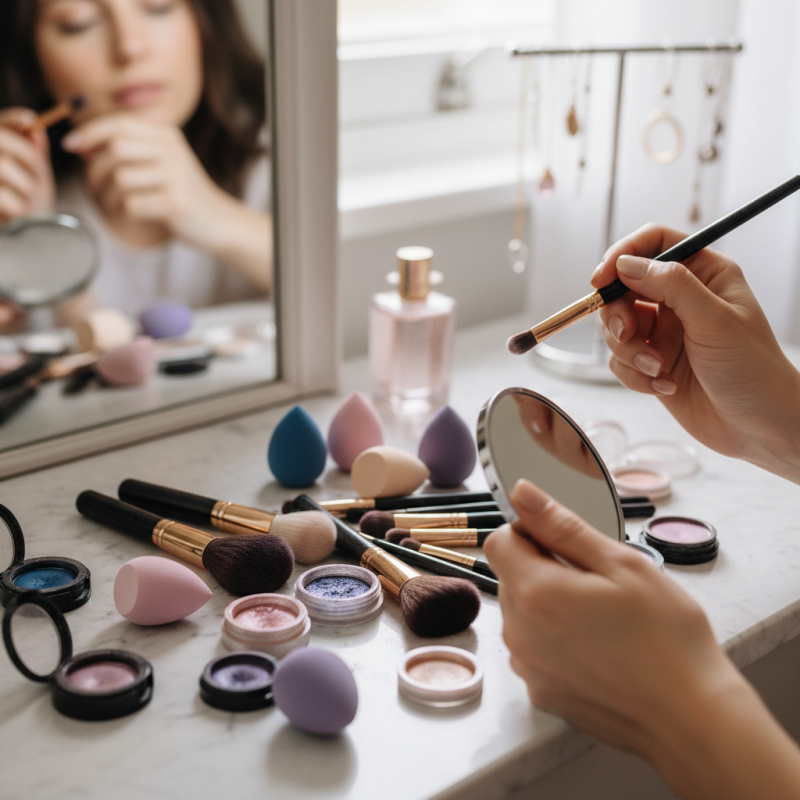
Choosing the right eyeshadow applicator can dramatically change your makeup game. There are several types of tools, each offering unique benefits. Brushes, for instance, provide versatility. They work well for blending and create soft edges. A flat brush is ideal for applying color to the lid. However, they can sometimes absorb too much product, which may lead to uneven application.
Sponges are another popular choice. They offer a different texture for a more diffused effect. They excel at packing on pigment, creating a bold look. However, they can trap excess product. This leads to wastage and may require more cleaning.
Wands, typically found in liquid eyeshadow formulas, offer precision. They are perfect for creating sharp lines. Yet, they can be difficult to work with for beginners. It's easy to overapply, which might result in a mess.
**Tip:** Experiment with each tool. Take note of what works for your eye shape. Don't hesitate to mix and match. You might find that a sponge is best for bold colors, while brushes work well for everyday looks. Remember, practice makes perfect. Don't let mistakes discourage you; embrace them as learning experiences.
| Applicator Type | Material | Best For | Application Technique |
|---|---|---|---|
| Eyeshadow Brush | Natural or Synthetic Hair | Blending and Applying | Swirling and Dabbing |
| Sponge Applicator | Foam | Packing Color | Pressing and Pouncing |
| Finger Application | Skin | Foiling and Blending | Tapping and Rubbing |
| Wand Applicator | Plastic or Rubber | Precision Application | Drawing and Lining |
| Duo-Fiber Brush | Blended Fibers | Sheer Application | Layering and Blending |
: Consider your eye shape and the type of eyeshadow. Experiment with different brushes.
Angled brushes help define the crease and enhance your eye's shape effectively.
Sponge applicators offer a smoother finish but can absorb product, leading to waste.
Blending ensures seamless color transitions and prevents harsh lines from forming.
Fingertip application often delivers intense color but can be challenging for some.
Clean your brushes regularly. Dirty tools can lead to uneven application and breakouts.
Synthetic brushes are easy to clean, while natural hair picks up powders better for blending.
Yes, practice and patience are key. Not every attempt will look perfect, and that’s okay.
Use a flat brush for even coverage before adding darker shades for contouring.
It’s better to build intensity gradually to avoid a muddy look from over-application.
In the quest for perfect makeup, understanding the various types of eyeshadow applicators is essential. This article explores the primary categories of applicators: brushes, sponges, and wands, each offering unique benefits for different application styles. When selecting the best eyeshadow applicator, key features such as material, shape, and size should be considered to meet individual needs.
Expert recommendations highlight the top choices in the industry based on reviews, while tips from makeup professionals provide practical application techniques to achieve flawless eyeshadow looks. Additionally, a comparative analysis of synthetic versus natural hair applicators sheds light on the impact these materials have on makeup quality. Ultimately, the right eyeshadow applicators can significantly enhance both the ease and quality of makeup application, ensuring stunning results.

 Maray Beauty