Beauty technology is changing quickly, from LED masks and microcurrent devices to app-connected skin scanners. The promise is appealing: more tailored routines, clearer progress tracking, and salon-inspired treatments at home. Yet a sleek screen or dramatic before-and-after image cannot show whether a device suits your skin, routine, or budget. That matters.
This guide offers seven practical tips for evaluating Future Innovations In Beauty Tools And Skincare Technology before you buy. Look beyond launch videos. Check what the device is designed to do, whether its claims are supported by credible research, and whether qualified professionals have reviewed its use. Consider practical details too: adjustable settings, cleaning instructions, replacement parts, warranty coverage, and ongoing app or product fees. A tool that sits unused in a bathroom drawer is not a smart investment.
Pay attention to comfort and personal suitability. Skin sensitivity, existing conditions, and treatment goals can affect whether a device is appropriate; when uncertain, ask a qualified healthcare professional. Also review how connected devices handle personal data. Small print counts.
A polished demonstration can be persuasive, but it is not independent proof. And even reliable technology may produce modest or inconsistent results. That is easy to overlook when the packaging promises transformation. Use these tips to compare products thoughtfully, question sweeping claims, and choose tools that fit real life—not just a trend.
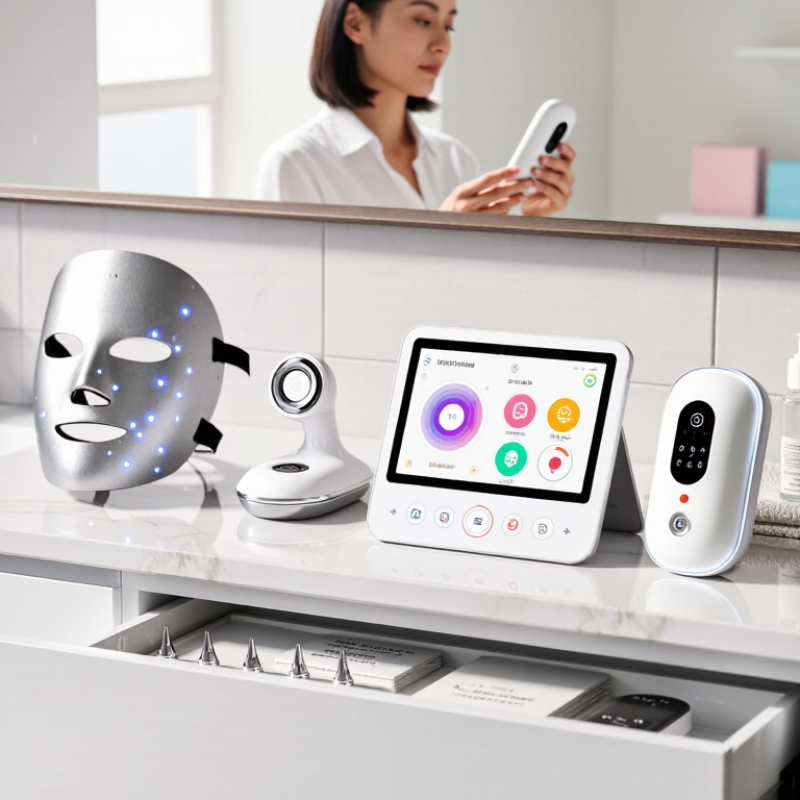
Before comparing beauty tools, name the change you actually want. Is it smoother makeup application, less visible dryness, or help keeping a routine consistent? “Better skin” is too vague to guide a purchase. Write down one or two priorities, then note what you already use and how often you use it. Be specific.
Consider your skin’s comfort, too. If a device uses heat, light, or exfoliation, check its instructions and think about sensitivity, current treatments, and any skin concerns. Ask a qualified healthcare professional if you are unsure whether a treatment is suitable. A gadget is not a diagnosis. It may also add steps without improving your routine.
Small details matter. Would you realistically use a tool for five minutes beside the bathroom mirror, or will charging and cleaning become a chore? Check how results are measured, how often the device should be used, and what evidence supports its claims. Some tracking features estimate skin conditions; they do not replace professional assessment. It is tempting to shop for the most advanced option. A better question is whether its specific function matches your needs. I still find that an overly ambitious routine can be harder to maintain than a modest one.
Start with a specific, realistic skin goal. Match the tool to that need, check what the evidence supports, and consider safety, consistency, and ongoing costs before buying.
| Skin Goal | Treatment Need | Tool or Technology to Consider | What It May Help With | Buying and Use Checks |
|---|---|---|---|---|
| Reduce the look of fine lines or uneven texture | Support gradual changes in skin appearance without replacing daily sun protection | At-home LED light device | Some devices have evidence for modest improvements in certain signs of photoaging; results vary by device and regular use. | Check the intended use, instructions, eye-safety guidance, and whether the device has relevant regulatory clearance in your location. Avoid use if the instructions or a clinician advise against it. |
| Manage unwanted facial or body hair | Choose a hair-reduction method suited to your skin tone and hair color | At-home IPL device | May reduce hair growth over time for some users. It is not suitable for every skin tone or hair color, and results require repeated sessions. | Read the skin-tone and hair-color compatibility chart carefully. Do not use on tattoos, dark spots, or areas restricted by the manual; follow sun-exposure and eye-protection directions. |
| Improve cleansing convenience | Remove makeup, sunscreen, and surface residue without irritating the skin | Soft silicone cleansing tool or gentle cleansing brush | Can make cleansing more convenient, but a tool is not necessary for effective washing and does not treat the underlying causes of acne. | Choose a cleanable, non-abrasive design. Use light pressure and stop if you notice persistent redness, stinging, or dryness. |
| Track changes in skin condition | Notice patterns and maintain a consistent routine | Skin-analysis camera or connected skin-tracking app | May help document visible changes under consistent lighting; automated estimates are not medical diagnoses. | Check how images and personal data are stored, used, and deleted. Compare photos in similar lighting and consult a qualified professional about new or changing lesions. |
| Support a simple, repeatable skincare routine | Measure or dispense products consistently | Smart dispenser or routine-tracking device | May help with reminders and routine consistency; it does not make a product more effective or confirm that an ingredient suits your skin. | Check refill availability, cleaning requirements, app support, and total cost. Patch-test new products and introduce active ingredients gradually. |
| Address persistent acne, pigmentation, or redness | Identify the cause and select a treatment appropriate to your skin | Professional assessment before buying a home device | These concerns can have different causes and may need different treatments. A consumer device may not be effective or appropriate for every condition. | Seek advice from a qualified healthcare professional, especially for painful acne, scarring, sudden changes, or a changing mole. Avoid devices that promise guaranteed results. |
| Protect results and reduce preventable sun damage | Build a daily habit that supports long-term skin health | UV index app or sunscreen-reminder feature | Can prompt sun-protection habits. Broad-spectrum sunscreen, shade, and protective clothing remain important; an app does not block UV radiation. | Choose broad-spectrum sunscreen of SPF 30 or higher, apply as directed, and reapply as indicated on the label—especially after swimming, sweating, or towel drying. |
Before you buy: Define one priority, check credible evidence and device instructions, confirm suitability for your skin, and calculate the full cost—including replacement parts or subscriptions. Stop using a device if it causes pain, blistering, or persistent irritation.
Name one or two goals, such as smoother makeup application or less visible dryness. “Better skin” is too vague. Check whether the tool addresses those goals.
Read the instructions for heat, light, or exfoliation. Consider your skin concerns and current treatments. Ask a qualified healthcare professional if you are unsure. A device is not a diagnosis.
Fit it into a habit you already have, like five quiet minutes after cleansing. Check session length, charging, and cleaning needs. Chores add up.
Look at settings, recommended use, cleaning steps, and skin-type guidance. A feature only helps if you use it. Awkward controls can leave a tool in a drawer.
See whether it works with your phone, charger, and preferred skincare products. If an app is required, check what still works without it. I once missed a cable detail.
Estimate a year of ownership. Include replacement parts, filters, gels, batteries, repairs, and subscriptions. Check the warranty and support process. The checkout price is only part of it.
Take a baseline photo in the same window light. Record the date and one outcome, such as dryness or visible redness. Keep other products steady when possible. Missed sessions happen.
Choose a review date, such as six weeks, and log sessions or discomfort. Stop if irritation develops and ask a qualified dermatologist for guidance. One good week proves little. If the routine feels like a chore, reconsider its value.
Choosing future beauty tools and skincare technology starts with understanding your skin goals, concerns, and treatment needs. Learn how a device works and what results it is designed to support, then assess the available evidence, safety guidance, and relevant regulatory standards. Clear information can help you distinguish practical features from claims that may not match your needs.
Before buying, compare ease of use, compatibility with your existing routine, maintenance requirements, and the total cost of ownership—not just the initial price. The best choice is one you can use consistently and comfortably. Track your routine and results over time, and adjust your approach if the device does not suit your needs. Keeping these considerations in mind can help you make thoughtful choices while staying open to Future Innovations In Beauty Tools And Skincare Technology.

 Maray Beauty