Healthy-looking skin depends on more than a device. Daily cleansing, sun protection, sleep, and consistent care all matter. Still, the right tool may make a routine easier or more enjoyable. A cool roller can feel soothing after a warm day, while a soft cleansing brush may help lift residue when used gently. Details matter.
This guide to China’s top 10 beauty tools explores what each option is designed to do, how it may fit into a home routine, and what to consider before buying. It covers practical features such as adjustable settings, washable surfaces, clear instructions, and comfortable handling. It also considers limitations. A tool cannot erase every concern, and more pressure or longer use does not automatically mean better results.
Beauty Tools For Maintaining Healthy Skin Appearance should complement sensible skincare, not promise a quick transformation. Look for reliable product information, follow the manufacturer’s directions, and keep reusable tools clean. If a device causes burning, persistent redness, or discomfort, stop using it. Small habits count.
Skin responds differently from person to person. That part is easy to overlook. This overview offers a careful starting point, but it is not a substitute for advice from a qualified skin-care professional, especially when irritation or an existing condition is involved.
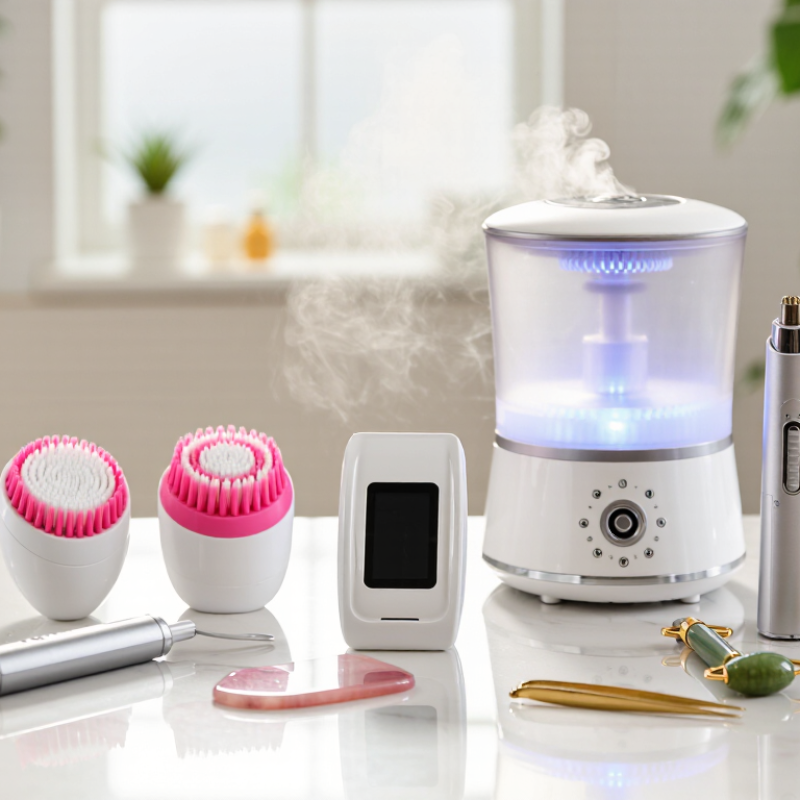
Beauty tools support healthy-looking skin by making gentle care more consistent, not by “detoxing” skin overnight. A soft cleansing brush may help lift makeup and sunscreen, but harsh pressure can leave cheeks red and irritated. Use clean tools on damp skin, and stop if stinging or persistent redness develops. Small details matter: a brush with trapped moisture can collect residue, so let it dry fully.
A 2013 study published in Clinical, Cosmetic and Investigational Dermatology estimated that sun exposure contributes to up to 80% of visible facial aging. This puts tools in perspective: facial rollers may temporarily reduce the look of puffiness, while at-home light devices have results that vary by device and concern. Neither replaces daily broad-spectrum sunscreen or professional advice for ongoing skin problems. A tool can feel reassuring; that feeling alone is not proof it works.
Tips: Clean tools as directed, use light pressure, and avoid sharing them. Keep sessions brief, especially when trying a device for the first time. Take a clear photo in the same lighting each week; changes can be subtle, and honestly, sometimes there may be none.
China’s top beauty tools stand out through their functions, materials, and ease of cleaning. A soft silicone cleansing pad offers gentle, low-maintenance daily washing. A powered cleansing brush adds vibration, but pressure and brush hygiene matter. A facial roller is simple to use and cools quickly when stored in a refrigerator. A gua sha tool has smooth edges for light massage; it should glide over moisturized skin, not scrape it. An LED mask provides hands-free light sessions, though results depend on consistent use and suitable settings. More features do not always mean better care.
A microcurrent device uses mild electrical stimulation and typically needs conductive gel. An ultrasonic skin scrubber vibrates across damp skin, so it calls for a light touch. A facial steamer warms the face, but close or prolonged exposure can irritate sensitive skin. An ice roller cools quickly and is easy to rinse after use. A magnifying mirror helps with detailed grooming, yet strong lighting can make normal texture look alarming. Small details count: smooth seams, clear instructions, and washable contact surfaces make tools easier to use safely. Match the device to your routine, and stop if discomfort develops. The less glamorous part is cleaning.
A cleansing brush uses gentle vibration or rotation to loosen oil and sunscreen from the skin’s surface. Choose a soft head and avoid scrubbing irritated areas. A gua sha tool glides over skin with light pressure; its edges can help spread facial oil and temporarily ease a puffy look. Facial rollers work similarly, often using cool stone or metal for a brief soothing sensation. Keep pressure light. These tools do not reshape facial features, despite claims that can sound convincing.
LED masks deliver measured light to the skin, but results depend on the device, routine, and individual skin. Red light is commonly used in skincare devices; follow the supplied instructions and protect your eyes as directed. Microcurrent tools send a low electrical current across the skin to create a temporary toned appearance. Ultrasonic spatulas use vibration to help lift surface residue, while facial steamers warm and soften skin before cleansing. Warmth can feel pleasant, but it may aggravate redness or sensitivity. A common oversight is using several tools in one session. Clean reusable surfaces, stop if discomfort develops, and remember that more treatment is not always better.
Clean tools help keep skincare routines gentler and more hygienic. A 2019 study in the Journal of Applied Microbiology examined 467 used cosmetic products; 79–90% showed bacterial contamination. Beauty blenders were a particular concern, with many users reporting that they rarely cleaned them. These findings describe the study sample, not every tool or user, and contamination does not automatically mean infection. Still, residue and damp surfaces deserve attention.
Wash reusable brushes and sponges after use when practical, following the maker’s care instructions. Use mild soap, rinse thoroughly, and let them dry completely in open air. Never share tools that touch the face. For powered devices, switch off and unplug before cleaning; keep water away from electrical parts. Replace cracked, frayed, or persistently odorous tools. I sometimes overlook drying time. That matters.
Tips: Set a weekly cleaning reminder. Store dry tools in a clean, breathable container, not a sealed damp pouch. If a tool causes stinging or redness, stop using it and clean or replace it. A simple routine is easier to maintain, though perfection is unlikely.
Choosing a beauty tool starts with the skin concern, not the trend. For dullness, a gentle cleansing device may help remove residue, but scrubbing can irritate sensitive skin. For temporary puffiness, a cool facial roller can feel soothing. LED devices and microcurrent tools have different purposes, so check their instructions and discuss persistent concerns with a dermatologist. Keep it simple.
Skin tolerance matters as much as the intended result. If your skin stings easily, skip abrasive brushes and strong exfoliating tools. Test a new device on a small area, use light pressure, and stop if redness or discomfort persists. People with skin conditions, implanted electronic devices, or recent procedures should seek professional advice before trying light or electrical devices. I still find it easy to assume that more features mean better results; they do not.
Grand View Research’s 2023 Beauty Devices Market report estimated the global market at about US$52.3 billion in 2022. That figure describes market size, not proof that every device works. Compare a tool’s stated use, safety guidance, cleaning requirements, and return policy. Choose one that fits your routine and budget. A device left in a drawer helps no one.
Gentle vibration or rotation may loosen surface residue. Use a soft head on damp skin, without scrubbing irritated areas.
No. Light pressure may temporarily ease puffiness, but these tools do not reshape facial features.
Results vary by device, routine, and skin concern. Follow its instructions and protect your eyes as directed.
Yes. Warmth may aggravate redness or sensitivity, so stop if discomfort develops.
Clean brushes and sponges after use when practical. Follow care instructions, rinse well, and let them air-dry completely.
Damp surfaces can hold residue. Store dry tools in a clean, breathable container, not a sealed damp pouch.
It is better not to share them. Clean reusable surfaces, and replace tools that are cracked, frayed, or persistently odorous.
Take a weekly photo in the same lighting and watch for subtle changes. Sometimes there may be none. I sometimes overlook drying time, too.
Beauty Tools For Maintaining Healthy Skin Appearance can support a simple skincare routine by helping cleanse the skin, provide gentle massage, or deliver controlled warmth, cooling, or light stimulation. Common options include facial cleansing brushes, silicone cleansing devices, facial rollers, gua sha tools, cooling globes, steamers, and light-based or vibrating devices. Each works differently: some help remove surface impurities, while others offer a soothing sensory experience or temporarily reduce the feeling of puffiness. Results vary, and these tools complement rather than replace suitable skincare and healthy daily habits.
Choose a tool based on your skin’s needs, sensitivity, and comfort, and follow its instructions carefully. Use gentle pressure and avoid irritated or broken skin. Clean reusable surfaces after each use, allow them to dry fully, and store them in a clean place. Check devices and accessories regularly for wear, and do not share tools that contact the face unless they can be thoroughly cleaned. A simple, well-maintained tool that suits your routine is often more useful than a complicated device used inconsistently.
