In today's world, sustainability is more crucial than ever. As consumers become aware of environmental impact, the beauty industry is evolving. One significant trend is the rise of Eco-Friendly Beauty Tools for Sustainable Beauty Routines. These tools not only benefit the environment but also enhance personal care.
Choosing the right beauty tools can feel overwhelming. The market is filled with options that claim to be sustainable. It is vital to assess their materials, durability, and production processes. Opt for tools made from biodegradable or recycled materials. This conscious choice reduces waste and promotes a greener lifestyle.
However, finding the perfect balance between functionality and sustainability can be challenging. Not every eco-friendly tool performs as well as non-eco-friendly ones. Some users may experience a learning curve. Reflecting on one’s beauty routine and making small, eco-conscious adjustments is a step toward a more sustainable lifestyle. Embracing Eco-Friendly Beauty Tools can lead to significant changes in your daily rituals.
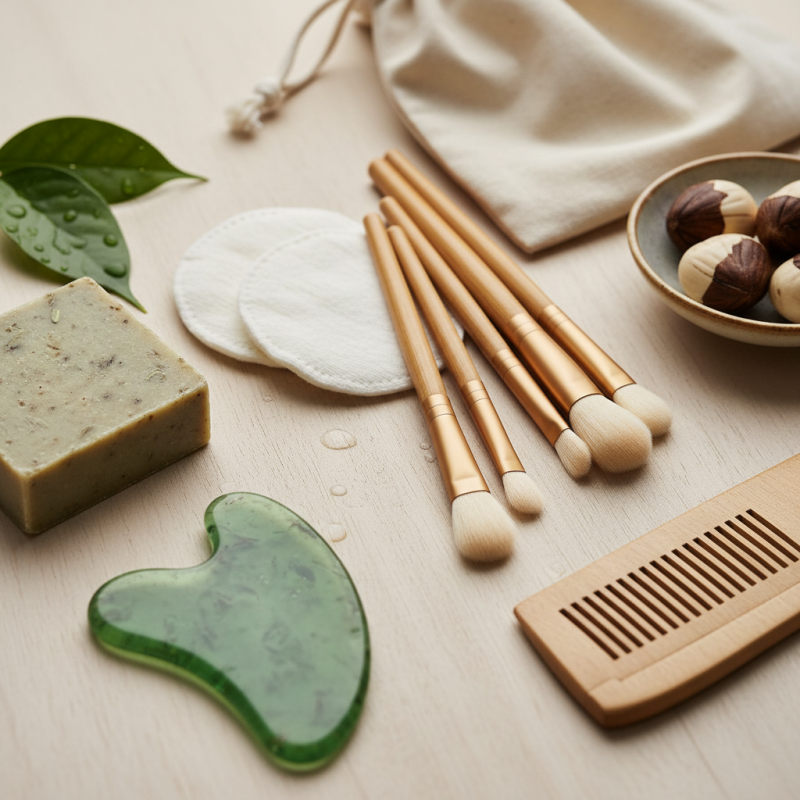
Eco-friendly beauty tools play a vital role in sustainable beauty routines. These tools, made from natural or recycled materials, reduce waste and environmental impact. According to a recent industry report, switching to eco-friendly tools can lower plastic waste by up to 40%, significantly benefiting our planet. These tools are often biodegradable or recyclable, making them a smarter choice.
When selecting these tools, consider their material. Bamboo brushes and stainless steel applicators are durable and sustainable. Avoid single-use plastics that contribute to landfill overflow. A 2021 study revealed that over 120 billion units of packaging are produced yearly in the beauty sector alone. By choosing wisely, consumers can reduce this staggering figure.
Tips for choosing eco-friendly tools include checking for certifications like the Forest Stewardship Council (FSC) label on wood products. Look for reusable makeup remover pads instead of disposable ones. Investing in quality tools often means they last longer, which can save you money and reduce your carbon footprint. Small shifts can lead to significant changes. However, be mindful; not all products labeled as "green" are genuinely sustainable. Always research and choose tools that align with your eco-values.
| Tool Type | Material | Sustainability Benefits | Care Instructions |
|---|---|---|---|
| Bamboo Toothbrush | Bamboo and Nylon | Biodegradable handle reduces plastic waste | Rinse after use; replace every 3 months |
| Reusable Cotton Pads | Organic Cotton | Reduces single-use waste; washable and durable | Machine wash and air dry |
| Biodegradable Makeup Brushes | Plant-based materials | Reduces plastic production; compostable | Clean with gentle soap; air dry |
| Glass Makeup Containers | Glass | Reusable and recyclable; reduces plastic use | Wash with mild soap; store in a cool place |
| Natural Loofah Sponges | Loofah plant | Biodegradable; encourages sustainable farming | Rinse after use; compost when worn out |
: Look for bamboo, recycled metals, coconut husks, and bioplastics. They are eco-friendly and biodegradable.
Bamboo grows quickly and needs little resources. It biodegrades naturally, reducing landfill waste.
Research their sourcing methods, certifications, and waste reduction measures. Transparency is essential.
Eco-friendly brands use less plastic. Compostable or refillable containers align with sustainable goals.
Regularly clean them with mild soap and store in a dry place to prevent degradation.
Even sustainable tools wear out. Aim for quality over quantity to minimize waste.
Research claims thoroughly. Not all biodegradable materials break down effectively in landfills.
Brands supporting local initiatives show a deeper commitment to environmental and social responsibility.
Recycled metals reduce energy consumption significantly, helping conserve resources and minimize emissions.
In today's pursuit of sustainable beauty, choosing eco-friendly beauty tools is vital for fostering environmentally conscious routines. Understanding the benefits of these tools, such as reduced environmental impact and enhanced personal well-being, sets the foundation for making informed choices. When selecting eco-friendly beauty tools for sustainable beauty routines, it's essential to identify sustainable materials like bamboo, recycled plastics, and biodegradable components.
Moreover, evaluating brands that are committed to eco-friendly practices ensures that your purchases contribute positively to the environment. Once equipped with these tools, caring for and maintaining them properly prolongs their lifespan, further promoting sustainability. Lastly, incorporating eco-friendly tools into your daily beauty routine can enhance your beauty experience while minimizing your carbon footprint, making it easier to embrace a more sustainable lifestyle.

 Maray Beauty