How to Choose Beauty Tools for a Minimalist Beauty Routine?

Time:2026-10-10 Author:Ethan
0%

A minimalist beauty routine is not about owning fewer products at any cost. It is about choosing tools that perform several useful tasks without creating clutter, waste, or unnecessary decisions. McKinsey & Company’s 2023 report, The Beauty Market in 2023, projects the global beauty industry could approach $590 billion by 2028. It also highlights continued growth in online beauty purchasing. More choice does not always mean better care.

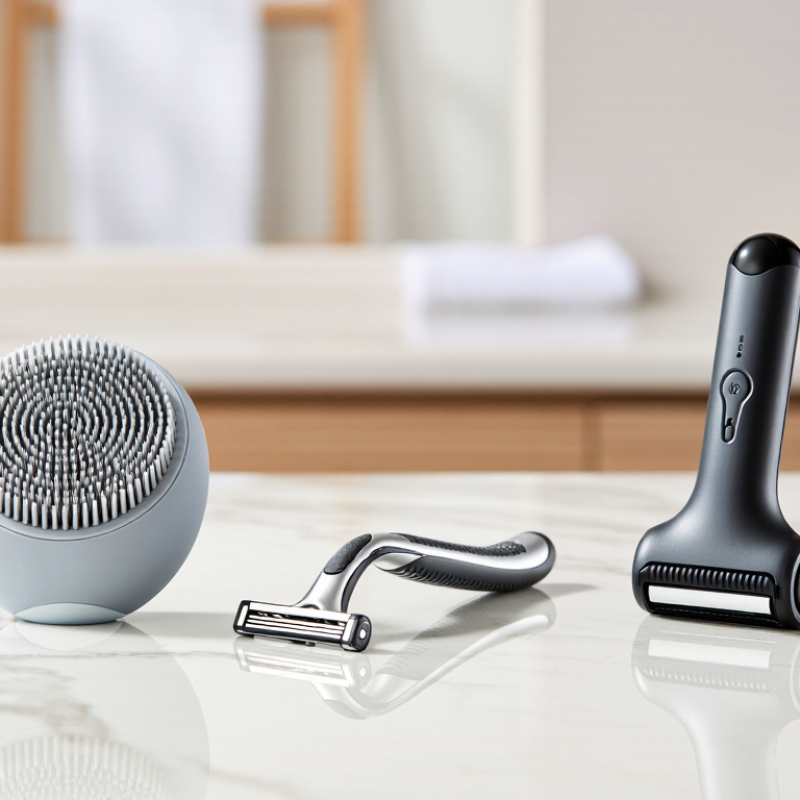
The right Beauty Tools For Minimalist Beauty Lifestyles should support a clear routine. Think of a washable silicone cleansing brush, a precise facial razor, or a durable heated styling tool with adjustable settings. Each tool should match a real need, not a passing trend. I have found that weight, grip, storage space, and cleaning time matter as much as appearance. A beautiful tool can still become drawer clutter.

Small details matter.

Circana’s 2024 beauty industry reporting shows that consumers continue to value premium products and at-home beauty experiences, especially when results feel visible. However, performance claims require caution. A tool cannot replace professional diagnosis or medical treatment. Review materials, safety instructions, warranty coverage, and credible testing before buying. The American Academy of Dermatology also recommends gentle handling and regular cleaning for devices that contact skin. I sometimes prefer one imperfect, versatile tool over three specialized products. That choice is not universally correct. Your skin sensitivity, hair texture, schedule, and storage habits should guide the decision. This guide explains how to evaluate beauty tools through practical experience, professional evidence, and long-term value.
How to Choose Beauty Tools for a Minimalist Beauty Routine?

Define Core Needs Within Grand View Research’s $35.5B Beauty-Device Market

Grand View Research values the global beauty-device market at $35.5 billion. That figure signals abundance, not automatic value. A minimalist routine should begin with one measurable need: cleansing, hair removal, skin hydration, or targeted light treatment. Choose tools that solve a repeated problem. Avoid devices promising dramatic results overnight. In practice, simple routines are easier to maintain beside a bathroom mirror.

Check the evidence before buying. Look for published clinical testing, clear operating instructions, safety warnings, and transparent power or replacement costs. Regulatory clearance may support safety, but it does not guarantee remarkable cosmetic results. The American Academy of Dermatology also advises caution with heat, light, and exfoliation, especially for sensitive skin. My own mistake was comparing features before asking whether I would use the tool three times weekly. I probably would not.

Tips: Keep a three-question filter: What problem does it solve? How often will I use it? Can I clean it easily? Prefer one versatile tool over several overlapping gadgets. Photograph your skin before starting, then reassess after four to eight weeks under similar lighting. Do not trust memory alone. Grand View Research provides useful market context, but its market-size estimate cannot decide personal suitability. A dermatologist’s guidance matters more when treating acne, pigmentation, scarring, or persistent irritation.

Match Each Need to One Tool and Screen FDA Safety Claims

A minimalist beauty routine works best when each concern has one clearly defined tool. For cleansing, choose a soft facial brush or washcloth, not three vibrating gadgets. For hair removal, select one device designed for your skin area and follow its instructions closely. Keep heat tools for styling, rather than using them to treat unrelated skin concerns.

This restraint matters as the beauty market expands. McKinsey’s 2023 beauty report projected the global market could reach about $580 billion by 2027, increasing pressure to buy more products. More products do not guarantee better results. The American Academy of Dermatology recommends patch testing new products and stopping use when irritation appears. Small red patches are useful evidence, not an inconvenience.

Screen every FDA statement carefully. The FDA generally does not preapprove cosmetics before sale. A cosmetic claim is different from a medical-device claim, and “FDA registered” does not mean “FDA approved.” Search the FDA’s public databases for relevant device clearances, then check whether the intended use matches the advertisement. A cleared device may be evaluated for substantial equivalence, not universal effectiveness. Read the fine print.

I still find this process imperfect. Marketing language can sound more precise than the evidence. If a tool promises painless, permanent, or risk-free results, pause. Keep one tool per need, document skin reactions, and ask a qualified dermatologist when symptoms persist.

How to Choose Beauty Tools for a Minimalist Beauty Routine?

Match each need to one tool, then screen the marketing claim. A basic cosmetic-use claim generally does not require FDA premarket approval, while claims to treat acne, alter body structure, or remove hair may place a tool in a medical-device regulatory pathway.

Screening flag: 0 = primarily cosmetic-use wording; 1 = a medical-device regulatory pathway may apply. This is a claim-screening guide, not a product approval statement. FDA oversight depends on the product’s intended use, labeling, and claims.

Compare Tool Materials and Features Against ISO 22716 Hygiene Practices

Minimalist beauty routines need fewer tools, but each tool carries more hygiene responsibility. Compare materials and features through ISO 22716 principles, especially cleaning, drying, storage, and contamination control. ISO 22716 guides cosmetic manufacturing, not household certification. Still, its practical logic is useful.

Choose smooth, nonporous surfaces such as stainless steel or well-finished silicone. They resist residue and are easier to wash than porous wood, fabric, or cracked plastic. Look for detachable heads, rounded edges, and minimal joints. Hidden seams can trap cream, skin flakes, and moisture. A tool that cleans quickly is more likely to be cleaned consistently. That matters more than appearance.

After use, remove visible residue before washing according to the maker's instructions. Use clean water, a suitable cleanser, and a separate drying area. Do not seal a damp tool inside a pouch. Moisture invites trouble. Inspect bristles, seals, and surfaces weekly. Replace any part that becomes rough, loose, or permanently stained. Shared tools need stricter controls, so a minimalist routine should usually remain personal. I sometimes overvalue clever features and underestimate maintenance time. That is a useful flaw to notice.

How to Choose Beauty Tools for a Minimalist Beauty Routine? - Compare Tool Materials and Features Against ISO 22716 Hygiene Practices
Beauty Tool Common Material Useful Features Cleaning and Drying Compatibility Hygiene Considerations Related to ISO 22716 Practices Minimalist Routine Value Overall Hygiene Suitability
Facial Cleansing Brush Silicone elastomer or synthetic bristles with a plastic handle Soft surface, washable head, compact storage, and no disposable pads required Rinse with clean water and a mild cleanser when permitted by the manufacturer; dry completely in an open, ventilated area Good practice
Select a design with few joints and no exposed absorbent core. Keep it clean, dry, and protected from splash contamination.
Can combine cleansing and gentle massage in one tool High when fully dried
Stainless-Steel Comedone Tool Stainless steel Smooth, non-porous surface; durable; easy to inspect for residue Wash with detergent, rinse thoroughly, and dry immediately. Follow the tool maker's instructions for any disinfection process. Good practice
Non-porous surfaces are easier to clean, but cleaning does not make a tool suitable for invasive extraction. Avoid use on broken skin and prevent cross-contamination.
One reusable tool can replace several single-purpose accessories High for surface cleanability
Eyelash Curler Stainless steel or coated metal with a silicone or rubber pad Replaceable pad, smooth frame, and easy visual inspection Wipe the frame with a suitable cosmetic-tool cleaner. Clean the pad as directed and replace it when cracked, deformed, or difficult to clean. Good practice
The eye area requires careful contamination control. Store the curler closed or covered, and do not share it without appropriate cleaning.
Provides one specific function with minimal product waste Medium to high
Makeup Brush Synthetic fibers, metal ferrule, and wood or polymer handle Reusable, precise application, and available in multipurpose shapes Clean regularly with an appropriate brush cleanser; avoid prolonged soaking of the ferrule and handle; dry horizontally or with bristles pointing downward. Controlled use
Fibers can retain cosmetic residue and moisture. Cleaning frequency should reflect product type, use frequency, and the risk of transferring microorganisms.
A small set of versatile brushes can replace a large collection Medium
Reusable Makeup Sponge Latex-free polyurethane foam or other cosmetic-grade foam Lightweight, flexible, and useful for liquid or cream products Wash promptly after use with a suitable cleanser, rinse thoroughly, and allow complete air-drying. Replace if it remains damp, develops odor, tears, or cannot be cleaned effectively. Higher-control need
Porous materials are more difficult to clean and dry than smooth, non-porous materials. Do not store while wet or in a sealed container.
Useful for multiple complexion products but requires frequent maintenance Medium to low
Metal Nail Clipper Stainless steel Corrosion resistance, compact size, and smooth surfaces Remove visible debris, wash with detergent, rinse, and dry thoroughly. Do not share without cleaning and an appropriate disinfection procedure. Good practice
Keep the tool free from residue and store it in a clean, dry container. Do not use damaged or corroded equipment.
Combines portability and long service life in one tool High
Double-Ended Spatula Stainless steel or washable polymer Smooth, non-porous surface; allows product removal without repeatedly touching the container Wash after use, rinse, dry completely, and keep protected between uses. Use a clean end for each product or cleaning cycle. Good practice
Supports hygienic handling by reducing direct finger contact with cosmetic products. Cleaning procedures should be consistent and documented in professional settings.
Can serve creams, masks, balms, and other jar-packaged products High
Silicone Facial Massage Tool Medical-grade or cosmetic-grade silicone, depending on the product specification Flexible, non-porous surface, easy visual inspection, and no absorbent bristles Wash with mild soap and water when permitted; rinse and air-dry fully before storage. Avoid heat or chemicals not approved by the manufacturer. Good practice
Choose a one-piece design with minimal seams. Inspect regularly for cuts, tackiness, discoloration, or trapped residue.
Can replace separate massage accessories in a simple routine High when intact

Calculate Cost per Use Before Buying Into a 20.4% CAGR Category

How to Choose Beauty Tools for a Minimalist Beauty Routine?

A 20.4% CAGR signals rapid growth, not guaranteed personal value. New beauty tools can look efficient, but excitement often hides recurring costs. I now calculate cost per use before purchasing. Divide the total price, accessories, and replacement parts by realistic uses. A $60 tool used 120 times costs 50 cents per use. Used only 20 times, it costs $3. I once underestimated cleaning time and bought a tool that stayed in a drawer. That mistake still influences my routine.

Tips: List your actual weekly uses first. Check battery life, washable parts, warranty terms, and replacement costs. Estimate use over six months, not forever. A simple tool used daily may outperform a clever device used twice. Also consider storage space. A crowded bathroom can quietly weaken a minimalist routine. Keep the calculation honest by including electricity, travel, and compatible attachments when relevant.

Choose tools that solve a repeated problem. For example, one precise facial brush may replace several occasional gadgets, but only if it feels comfortable and easy to clean. Read technical specifications and independent user feedback, then compare the claimed lifespan with your habits. Marketing projections describe a market, not your skin, schedule, or budget. My own calculations are imperfect because usage changes during busy weeks. That uncertainty is useful. Leave a small margin before deciding, rather than treating every projected saving as fact.

Create a Cleaning and Replacement Schedule From Manufacturer Guidance

A minimalist beauty routine needs fewer tools, not less care. Check each manufacturer’s cleaning instructions before using a new brush, sponge, curler, or facial device. Materials differ, and one method may damage another. Write the instructions in a small notebook. Include cleaning products, drying methods, and replacement intervals.

Clean tools after each use when they touch liquid makeup, eyes, or broken skin. Wash reusable brushes weekly, unless they collect visible residue sooner. Clean sponges after every application, then let them dry completely in open air. Never store damp tools in closed containers. For electrical devices, unplug them first and follow the stated water-safety guidance.

Replace items when bristles spread, sponge surfaces crack, or handles become loose. A facial device may need earlier replacement if its surface changes, even when it still works. Set a monthly calendar reminder, but treat it as a prompt, not a rule. I once kept a favorite brush too long because it looked usable. It felt softer, yet cleaning no longer removed the odor. That was a useful warning. Keep a simple record of purchase dates and cleaning checks. If instructions are unclear, contact the manufacturer or choose the safer cleaning option. Small routines are easier to maintain when they fit real mornings.

FAQS

Why should I calculate cost per use before buying a beauty tool?

A low purchase price can become expensive when the tool sits unused. Cost per use reveals its practical value.

How do I calculate a tool’s cost per use?

Add the price, accessories, replacements, electricity, and travel costs. Divide the total by realistic uses over six months.

Can you give a simple cost example?

A $60 tool used 120 times costs 50 cents per use. Used 20 times, it costs $3 each time.

What should I check before choosing a minimalist beauty tool?

Check battery life, washable parts, storage space, warranty terms, and replacement costs. Comfort matters too.

How can I decide whether I will use a tool often enough?

Record your actual weekly habits before purchasing. A simple daily tool may beat a clever device used twice.

How often should reusable beauty tools be cleaned?

Clean tools after liquid makeup, eye contact, or contact with broken skin. Wash reusable brushes weekly, or sooner when residue appears.

How should I clean and store reusable sponges?

Clean sponges after every application. Let them dry completely in open air. Never seal damp sponges in closed containers.

When should beauty tools be replaced?

Replace tools when bristles spread, sponge surfaces crack, or handles loosen. A changed device surface may also require replacement.

How can I maintain a realistic cleaning schedule?

Keep instructions in a small notebook and record purchase dates. Use monthly reminders as prompts, not strict rules.

What if my calculations or routine are imperfect?

Usage changes during busy weeks, so leave a small margin. My own estimates were wrong once. That mistake taught me to review actual habits.

Conclusion

Choosing Beauty Tools For Minimalist Beauty Lifestyles begins with identifying your essential skincare and grooming needs rather than collecting every new device. Within the expanding beauty-device market, select one practical tool for each priority, such as cleansing, hair removal, or targeted skin care. Review safety information carefully, distinguish verified regulatory statements from promotional language, and consider whether the tool’s functions genuinely support your routine.

Before purchasing, compare materials, design, cleaning requirements, and ease of use with recognized hygiene principles, including ISO 22716 practices. Estimate the cost per use by considering the purchase price, accessories, energy needs, and expected lifespan, especially in a category projected to grow at a 20.4% CAGR. Finally, create a simple maintenance schedule based on the manufacturer’s instructions, noting when to clean, inspect, replace parts, or retire the tool. A small, well-maintained selection can reduce clutter, control spending, and make daily care more consistent.

Ethan

Ethan

Ethan is a seasoned marketing professional with a deep expertise in our company's innovative product line. With a passion for sharing knowledge and insights, he takes the lead in regularly updating our corporate blog, where he explores industry trends, product features, and effective marketing......