Choosing salon equipment in 2026 requires more than comparing prices and polished product photos. Beauty Tools For Beauty Professionals And Salons should support safe services, consistent results, and comfortable daily work. A professional tool must suit real treatment conditions, not merely look advanced online.
Experienced salon owners often begin with the service menu. A facial studio may need adjustable magnifying lamps, quiet steamers, precision tweezers, and easy-clean surfaces. A busy hair salon may prioritize balanced dryers, temperature control, durable clippers, and replacement parts. Check grip comfort after several minutes. Examine cable length, heat settings, noise levels, and cleaning instructions. Small details become exhausting during an eight-hour shift.
Reliable selection also requires evidence. Review manufacturer specifications, warranty terms, training materials, and verified professional feedback. Confirm that electrical products meet applicable local safety requirements. Ask whether consumable parts remain available after purchase. A cheaper tool can become expensive when downtime interrupts appointments.
No checklist predicts every salon perfectly. A tool that feels efficient in one workspace may frustrate another. A first shortlist might still fail after a busy week of testing. That is useful information, not wasted effort. Where possible, request demonstrations or trial periods before making larger purchases. Document results from actual treatments, including client comfort, cleaning time, handling fatigue, and performance consistency.
The strongest buying decisions balance technical knowledge with practical experience. They also leave room for review as client expectations, treatment trends, and salon workflows change throughout 2026.
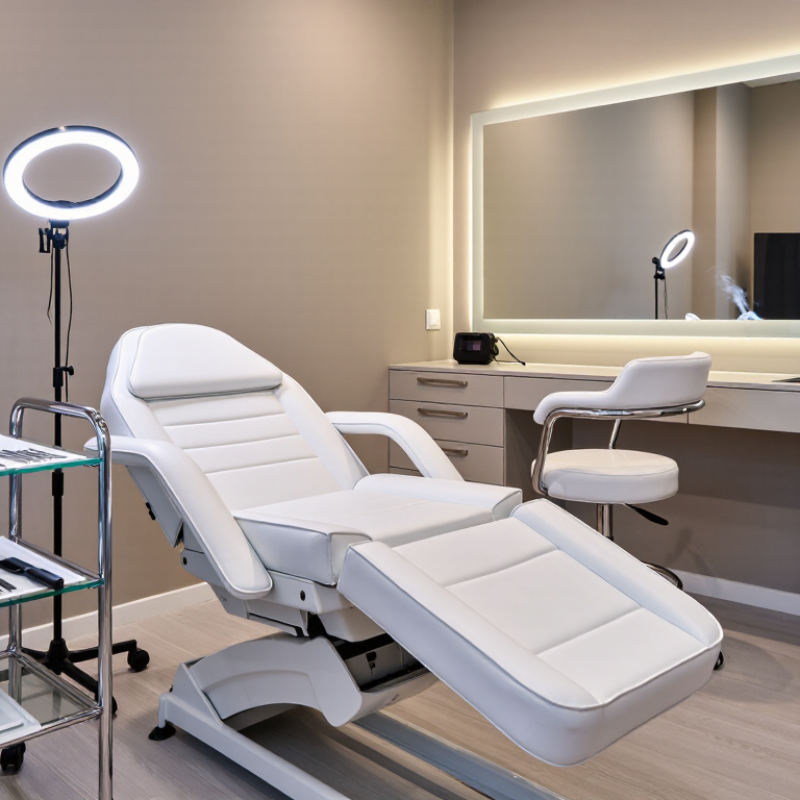
Define Salon Needs, Services, and Client Expectations
How to Choose Beauty Tools for Salons in 2026?
Choosing beauty tools should begin with the salon’s real needs, not online popularity. List every service, treatment time, room size, and staff skill level. A facial room may need quiet devices, adjustable settings, and easy-to-clean surfaces. A styling area may need lightweight tools with strong heat control. Check the daily schedule too. A tool used thirty times needs different durability than one used twice weekly.
Client expectations also shape the decision. Many clients now ask about hygiene, comfort, noise, treatment speed, and visible results. For sensitive skin, choose tools with gentle settings and clear safety controls. For busy clients, faster preparation may matter more than extra features. Ask clients directly. Their answers may challenge staff assumptions. They might value cooler handles over advanced functions.
Reliable selection requires testing before purchase. Let several staff members use each tool during a realistic service. Record setup time, hand fatigue, cleaning steps, and client reactions. Check instructions, maintenance access, warranty terms, and electrical safety requirements. Do not ignore small problems. A short cord or slippery grip can become a daily issue. I would also leave room for change; buying too many specialized tools can limit future services. Review the results after thirty days, because first impressions are not always accurate.
Conclusion
Choosing the right beauty tools for a salon in 2026 begins with a clear understanding of its services, customer expectations, workflow, and professional goals. Beauty Tools For Beauty Professionals And Salons should be selected according to practical needs, including styling, skincare, nail care, hair removal, or other specialized services. Compare tool types by performance, versatility, precision, ease of use, and suitability for different client requirements. Professional tools should also support safe operation, simple cleaning, effective sanitation, comfortable handling, and reliable durability during daily use.
Salons should assess modern technology, energy efficiency, sustainable materials, repairability, and compliance with applicable safety and industry requirements. Beyond the purchase price, calculate total ownership costs such as maintenance, replacement parts, training, energy use, and expected service life. A dependable supplier with clear support, product guidance, warranties, and responsive service can improve long-term value. By balancing quality, hygiene, ergonomics, innovation, sustainability, and operating costs, salons can make informed investments that enhance service consistency, staff comfort, client satisfaction, and business efficiency.
 Maray Beauty
