How to Choose the Right Beauty Tools for Daily Skincare?

Time:2026-11-09 Author:Ethan
0%

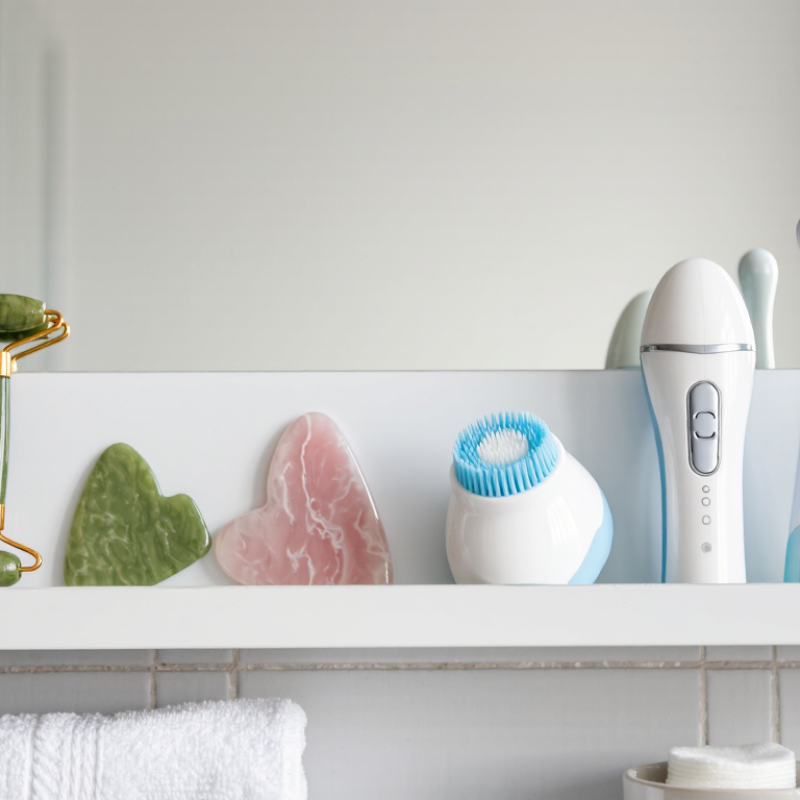
A bathroom shelf can fill with jade rollers, cleansing brushes, gua sha stones, and tools seen in skincare videos. Yet a crowded routine is not automatically a better one. The right choice depends on your skin, habits, and comfort—not on how polished a tool looks online. How To Choose The Right Beauty Tools For Daily Skincare Routines begins with a simpler question: what do you want a tool to help you do? A soft headband may keep hair away from your face, while a clean, smooth applicator can make a mask easier to spread. Small conveniences count.

Skin can also react differently from day to day. A brush that feels gentle on one cheek may irritate another, especially when skin is dry or sensitive. Start with tools that are easy to clean, made from suitable materials, and simple to use without pressing hard. Check the care instructions, since leftover product and moisture can build up in crevices. Hygiene matters. If a tool causes stinging, redness, or discomfort, stop using it and reassess; persistent irritation deserves advice from a qualified healthcare professional. A tool cannot replace a sound skincare routine or treat every concern.

This guide looks at practical factors such as purpose, material, cleaning, storage, and cost. It also considers whether a tool genuinely fits your daily schedule. I have found that the most appealing gadget can become clutter after a week, though personal routines vary. That is worth admitting. Choose thoughtfully, test gently, and keep only what serves your skin and your real life.
How to Choose the Right Beauty Tools for Daily Skincare?

Identify Your Daily Skincare Needs and Goals

Before choosing a skincare tool, name the job it needs to do. Is your main goal removing sunscreen, easing dryness, or applying products evenly? Notice how your skin feels after washing, shaving, or spending time outdoors. A paper towel can help track excess oil; tightness or stinging may signal that your routine is already too harsh. Small clues matter.

Match the tool to the goal, not a trend. For sensitive or easily irritated skin, clean fingertips and a soft cloth may be more sensible than a powered brush. If you use a reusable tool, wash and dry it as directed, and stop if redness or discomfort persists. Tools cannot diagnose skin conditions. A dermatologist can help when irritation keeps returning.

Sun protection is a useful daily goal to assess. The International Agency for Research on Cancer’s Global Cancer Observatory estimated nearly 1.6 million new skin cancer cases worldwide in 2022. A skincare tool cannot replace sunscreen, but a mirror can help you check commonly missed areas, such as the ears and hairline. I still catch myself skipping those spots. Keep the routine realistic: a tool that is easy to clean and comfortable to use is more likely to earn a place beside the sink.

Explore the Main Types of Skincare Tools

How to Choose the Right Beauty Tools for Daily Skincare?

Explore the Main Types of Skincare Tools

Skincare tools usually fall into a few practical groups. Soft cleansing brushes and silicone pads help lift surface oil and sunscreen during washing. Use light pressure; a tool should not leave your skin sore or red. Facial rollers and gua sha tools are used for gentle massage, often with a little moisturizer to reduce pulling. They may feel soothing, but they cannot reshape facial features. Warm or vibrating devices also exist, though their benefits vary and instructions matter. Keep it simple.

Choose based on your routine, skin comfort, and how easily the tool can be cleaned. People with sensitive skin, active irritation, or broken skin may do better with clean hands instead. Metal extraction tools can cause injury when pressed or used without training, so they are not an everyday choice. It is easy to assume more tools mean better care; often, they just add steps.

Tips: Wash reusable tools after use with mild soap and water, then let them dry fully. Don’t share them. Start with one tool and use it gently for a few days. If discomfort appears, stop. Even careful routines can take a little adjusting.

Match Tool Features to Your Skin Type

How to Choose the Right Beauty Tools for Daily Skincare?
Match Tool Features to Your Skin Type

Choose tools for how your skin feels, not just how they look. Dry or easily irritated skin often does better with soft, smooth surfaces and light pressure. If your skin is oily or prone to clogged pores, a washable silicone cleansing brush may be easier to keep clean than a porous sponge. Sensitive skin? Your fingertips may be the gentlest option. A tool should feel comfortable, never scratch or tug. Small differences matter, especially around the nose and eyes.

Tips: Check the tool’s care instructions before buying. Wash reusable tools regularly and let them dry fully. Try a new tool on a small area first. Stop if you notice burning or lasting redness.

Think about your routine, too. A facial roller can feel soothing when used with a light touch, but it does not replace cleansing or moisturizer. Avoid pressing hard, particularly over active breakouts or tender areas. Keep separate tools for face and body, and replace items that crack, fray, or stay damp. I used to assume more texture meant a deeper clean; that was not always true. Sometimes the simplest tool is easier to clean and kinder to skin. If irritation keeps returning, pause the tool and ask a qualified skin professional for guidance.

Check Safety, Materials, and Ease of Cleaning

A good skincare tool should feel safe and simple to use, not like another complicated step. Check that its surface is smooth, with no cracks, rough seams, or loose parts that could scratch your skin. Choose materials that resist moisture and can be cleaned as directed. If a tool causes stinging, redness, or discomfort, stop using it. Your skin’s response matters more than a sales claim.

Cleaning is part of choosing the tool. Look for clear care instructions before buying, especially for brushes or tools with small grooves where residue can collect. Wash reusable tools after use with mild soap and water when the instructions allow, then dry them fully in a clean place. Small details matter. I sometimes forget the drying step, and a damp tool is not ready for a drawer. Avoid sharing tools that touch the face, and replace items that become cracked or difficult to clean.

Tips: Keep a clean towel nearby. Use gentle pressure, and check your skin afterward. If cleaning feels like a chore, choose a simpler tool you will maintain.

Choose a Tool and Build a Safe Use Routine

Choose a tool for a clear task, not because it promises instant results. A soft cleansing brush may suit some routines, while fingertips are often enough for sensitive or irritated skin. A tool is optional. Check its material, cleaning instructions, and whether it can be fully dried. Avoid rough surfaces and stop if you feel stinging, persistent redness, or discomfort. The American Academy of Dermatology cautions that exfoliation can worsen irritation, especially when skin is already dry or sensitive.

Build a routine you can actually maintain: wash your hands, use gentle pressure, and clean reusable tools after each use when instructions allow. Let them air-dry completely on a clean surface, not in a damp shower. Replace tools that crack, smell unusual, or stay stained after cleaning. Small steps matter. A 2019 Aston University-led study, published in the Journal of Applied Microbiology, examined 467 makeup products; 93% of beauty sponges in the study had never been cleaned. That finding is a useful hygiene warning, not proof that every tool carries the same risk.

Keep the schedule simple. Use one new tool at a time, then watch how your skin responds over several days. Don’t use a device over broken skin or push harder to chase a smoother feel. I can miss a cleaning day too; that’s a reason to choose fewer tools, not to ignore hygiene. Follow the device maker’s care directions, and ask a dermatologist if a tool repeatedly triggers irritation.

FAQS

What are common skincare tools used for?

Soft brushes and silicone pads help remove surface oil and sunscreen. Rollers and massage stones provide gentle massage. Keep it simple.

How should I choose a tool for sensitive skin?

Fingertips or a soft, smooth tool may feel gentler. Avoid rough surfaces and use light pressure. Stop if skin stings or stays red.

Can facial rollers reshape my features?

No. They may feel soothing, but they cannot reshape facial features. Use them gently with moisturizer to reduce skin pulling.

How often should I clean reusable skincare tools?

Clean them after use when care instructions allow. Wash with mild soap and water, then air-dry fully on a clean surface.

Is a cleansing brush necessary for oily skin?

No. A washable silicone brush may be easy to clean, but fingertips can also work. More tools do not always mean better care.

When should I avoid using a skincare tool?

Avoid tools on broken skin, active irritation, or tender breakouts. Don’t press harder to chase a smoother feel.

How can I test a new tool safely?

Try it on a small area first. Use one new tool at a time and watch your skin for several days. Stop if discomfort appears.

When should I replace a skincare tool?

Replace tools that crack, fray, smell unusual, or remain stained after cleaning. I have missed a cleaning day too; using fewer tools can make care easier.

Conclusion

Choosing the right beauty tools starts with understanding your daily skincare needs and goals. Consider whether you want to cleanse more thoroughly, apply products evenly, or add gentle massage to your routine. Common options include cleansing brushes, facial rollers, gua sha tools, and applicators, but a tool is only useful if it suits your habits. How To Choose The Right Beauty Tools For Daily Skincare Routines means comparing each tool’s purpose with your skin type, sensitivity, and comfort level rather than choosing based on appearance alone.

Before buying, check that the materials feel suitable for your skin and that the tool is easy to clean and dry. Simple, smooth designs can be easier to maintain and use consistently. Introduce one tool at a time, follow its directions, and use gentle pressure to reduce the chance of irritation. Clean it regularly, stop if discomfort occurs, and keep your routine simple so the tool supports—not replaces—basic skincare.

Ethan

Ethan

Ethan is a seasoned marketing professional with a deep expertise in our company's innovative product line. With a passion for sharing knowledge and insights, he takes the lead in regularly updating our corporate blog, where he explores industry trends, product features, and effective marketing......