In recent years, the skincare industry has seen a surge in beauty tools. According to the Global Beauty Tools Market report, it is projected to reach $24 billion by 2026. The popularity of these tools has led many individuals to seek the best ways to use them for optimal results. However, many end up making "Common Mistakes When Using Beauty Tools For Skincare.”
These mistakes can negate the benefits of advanced technologies. For instance, improper cleaning can lead to skin irritation or infection. Furthermore, using tools with excessive pressure can cause redness and inflammation. Studies show that 40% of consumers misapply their tools, diminishing the expected results. This highlights the need for education on proper techniques and hygiene practices.
Many enthusiasts invest in high-quality tools, yet overlook the basics. They often ignore that skin types differ significantly. Understanding your skin is crucial to maximizing the benefits of tools. Reflecting on these common pitfalls can pave the way for effective skincare routines. Embracing knowledge is the key to unlocking the full potential of beauty tools.
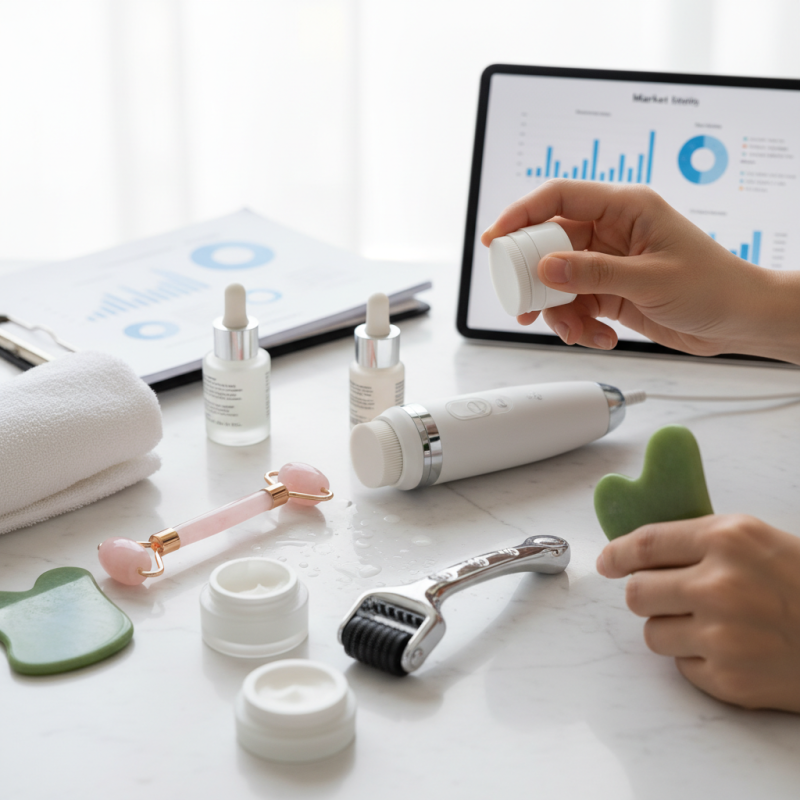
Common Misconceptions About Beauty Tools in Skincare
Many people believe that using beauty tools guarantees flawless skin. However, misconceptions often cloud effective skincare practices. For instance, a survey by the American Academy of Dermatology found that 70% of consumers misunderstand how often they should use facial cleansing brushes. Overuse can lead to irritation rather than the desired results.
Another common myth suggests that all beauty tools are safe for every skin type. Research reveals that around 30% of users suffer from negative reactions due to improper tool selection. People with sensitive skin might not benefit from tools that are marketed as universal. Understanding skin types is crucial for achieving positive outcomes.
Additionally, many individuals neglect the importance of hygiene when using beauty tools. A study indicated that 50% of people do not clean their tools frequently. This negligence can result in bacteria growth, leading to breakouts. It's vital to prioritize proper maintenance to ensure the effectiveness and safety of tools.
Incorrect Usage of Facial Cleansing Brushes
Using facial cleansing brushes can elevate your skincare routine, but improper usage can lead to issues. Many people press too hard while cleansing, which can irritate the skin. Remember, these brushes are designed for gentle cleansing. Applying too much pressure can strip away natural oils and cause redness.
Cleansing brushes are not meant for daily use. Overuse can disrupt the skin barrier. It’s best to use them only a few times a week. You may notice dryness or breakouts if you use them excessively. Listen to your skin. Adjust the frequency based on how your skin responds.
Tips: Always clean your brush heads regularly. Bacteria can build up if they are left dirty. Choose a soft-bristled brush to avoid irritation. Ensure you're using the right cleanser; a gentle, sulfate-free product works best. Lastly, don't forget to moisturize after cleansing. Hydrated skin is happy skin.
Neglecting Regular Cleaning of Beauty Tools
Many people overlook regular cleaning of beauty tools. This is a serious mistake that can affect skin health. When tools are not cleaned, they accumulate dirt and bacteria. These unwanted elements can lead to breakouts and irritations. It's vital to treat your beauty tools like an extension of your skin.
To ensure hygiene, wash your brushes and sponges at least once a week. Use a gentle soap or a specialized cleanser for best results. Make sure to rinse thoroughly to remove all soap residue. Let them air dry completely to prevent mold growth. A quick daily wipe can also be beneficial after each use.
Reflection is important. Consider how often you neglect cleaning tools after a long day. It’s easy to put off, but the consequences can be detrimental. Making the effort to maintain cleanliness will enhance your skincare routine. The improvement in your skin’s texture and health will be noticeable. Regular upkeep turns a simple task into a vital part of self-care.
Using the Wrong Products with Skincare Devices
Using skincare devices can enhance your beauty routine, but pairing them with the wrong products can lead to disappointing results. A study from the Journal of Cosmetic Dermatology found that using unsuitable formulations can cause skin irritation in up to 40% of users. Many people overlook the importance of compatibility between products and devices, which can compromise their effectiveness.
For instance, exfoliating serums or oils may disrupt the function of cleansing brushes, leading to increased irritation rather than a deeper clean. Similarly, heavy moisturizers can clog ultrasonic devices, preventing proper absorption of active ingredients. According to a survey by the Skin Care Foundation, 65% of users reported decreased effectiveness of their devices when mismatched with their products.
It's essential to prioritize ingredient compatibility. For example, avoid oil-based products with microdermabrasion tools. They require water-based formulas for best results. Personal experience often leads to trial and error, prompting reflection on which products work best. Minor adjustments can lead to significant improvements in skin health and device efficacy. Prioritize learning and adapting in your skincare journey.
10 Common Mistakes When Using Beauty Tools for Skincare
| Mistake |
Description |
Consequence |
| Using the Wrong Cleanser |
Not matching your cleanser’s formula with your skin type. |
Can lead to irritation or insufficient cleansing. |
| Ignoring Device Instructions |
Failing to follow the manufacturer’s guidelines for usage. |
May result in improper use and damage to both device and skin. |
| Overusing Tools |
Using tools more frequently than recommended. |
Can cause skin sensitivity and irritation. |
| Neglecting Sanitation |
Not cleaning tools properly after each use. |
Increases risk of bacterial infections. |
| Combining Incompatible Products |
Using products that are not supposed to be mixed with specific tools. |
May nullify the effects or cause skin damage. |
| Applying Excessive Pressure |
Using too much force while handling beauty devices. |
Can lead to bruising or damage to skin tissue. |
| Using Products Not Designed for Devices |
Using regular skincare products with beauty tools. |
Can result in ineffective treatment. |
| Ignoring Skin Sensitivity |
Failing to assess skin reaction post-use. |
May lead to longer-term skin issues. |
| Not Changing Heads/Attachments |
Using the same brush heads or attachments for too long. |
Can decrease effectiveness and cause irritation. |
| Using Tools on Unclean Skin |
Applying devices without properly cleansing the skin first. |
Can exacerbate skin issues and spread bacteria. |
Overusing Tools and Causing Skin Irritation
Overusing beauty tools can lead to
significant skin irritation. Many users often think that more is better.
Frequently using tools like facial rollers or exfoliating brushes can disrupt the skin’s natural barrier.
You may expect faster results, but it often backfires. Skin may become red and inflamed due to
excessive usage, which can worsen existing conditions like acne or sensitivity.
To avoid irritation, limit the frequency of your tool use. For instance, if you use a facial roller, try it just a few times a week.
Listen to your skin; if it feels sensitive, take a break. Consider this an opportunity to let your
skin rest and regenerate. Aim for balance rather than intensity in your skincare routine.
Always sanitize your tools after each use. This step is crucial for preventing bacterial buildup that can lead to breakouts. Create a routine
that includes cleaning your tools, which ensures optimal performance while minimizing risks.
Remember, your skin communicates with you. Signs of irritation are signals to adjust
your routine. Assess your practices and be mindful of your skin's responses.
Ignoring Manufacturer Instructions for Usage
Ignoring manufacturer instructions for beauty tools can lead to significant skincare mishaps. One report from the American Academy of Dermatology highlights that misuse of skincare devices can exacerbate skin conditions for 40% of users. This statistic reflects a common oversight among beauty tool enthusiasts who often underestimate the importance of following guidelines.
Many beauty tools come with specific instructions for a reason. Devices like facial cleansing brushes or LED masks require particular settings and durations for optimal efficacy. The Skin Health Alliance notes that improper usage can damage skin barrier function, leading to irritation and breakouts. A notable example is the misuse of microdermabrasion devices. Research indicates that improper technique can cause more harm than good, affecting skin texture negatively.
Moreover, neglecting the maintenance guidelines can affect tool performance. Studies show that unclean tools can harbor bacteria, increasing chances of infections. Users often skip cleaning their devices regularly, which science shows may impact skin health significantly. Learning to interpret and follow manufacturer instructions can enhance not only the effectiveness of beauty tools but also overall skin wellbeing.
FAQS
: Use gentle pressure while cleansing. These brushes are designed for soft strokes, not aggressive scrubbing.
Limit usage to a few times a week to prevent disrupting the skin barrier and avoid dryness or breakouts.
Overusing tools can irritate the skin and worsen conditions like acne. Balance is key for a healthy routine.
Clean the brush heads regularly to prevent bacteria buildup. Sanitize tools after each use for optimal skin health.
A gentle, sulfate-free cleanser is ideal. This helps avoid irritation during the cleansing process.
Take a break from using the tools. Allow your skin to rest and recover before resuming your routine.
Pay attention to your skin’s reactions. Signs of irritation indicate a need to adjust your cleansing frequency.
Yes, moisturizing is crucial. Hydrated skin helps maintain a healthy, balanced complexion after cleansing.
If redness occurs, reassess your cleansing method. Consider reducing pressure and frequency.
Yes, using too many can lead to irritation. Focus on a few effective tools rather than a large collection.
Conclusion
Common Mistakes When Using Beauty Tools for Skincare" highlights several prevalent errors that enthusiasts often make in their skincare routines. A widespread misconception is underestimating the importance of proper usage and maintenance of beauty tools. For example, many users neglect to regularly clean their facial cleansing brushes, which can lead to skin irritation. Additionally, the misuse of products with skincare devices can cause adverse reactions, further complicating skin health.
Overusing tools is another common mistake, as excessive application can harm the skin rather than enhance its appearance. Ignoring manufacturer instructions can also lead to improper use, diminishing the effectiveness of the tools and potentially causing skin problems. Awareness and education about these common mistakes are crucial for anyone looking to optimize their skincare regimen effectively.

 Maray Beauty