Beauty tools are essential for achieving flawless looks, yet they often harbor bacteria and grime. A report by the American Academy of Dermatology highlights that makeup brushes can breed up to 10,000 bacteria after just a week of use. Such statistics raise urgent questions: How often should beauty tools be replaced for hygiene?
The answer is often overlooked. Many assume that cleaning tools frequently suffices. However, certain tools, like sponges, should be replaced every one to three months, according to dermatologists. Regular replacement not only reduces the risk of skin irritation but also combats the spread of infections. Users might hesitate to discard their favorite tools, clinging to the familiar. Yet, maintaining hygiene is crucial for healthy skin.
Practicing good hygiene with beauty tools is not just about cleaning. It involves understanding their limitations and recognizing when they become a threat. The investment in new tools pays off by preventing breakouts and promoting skin vitality. Embracing a routine of replacement can dramatically improve beauty results and contribute to an overall healthier skincare regime.
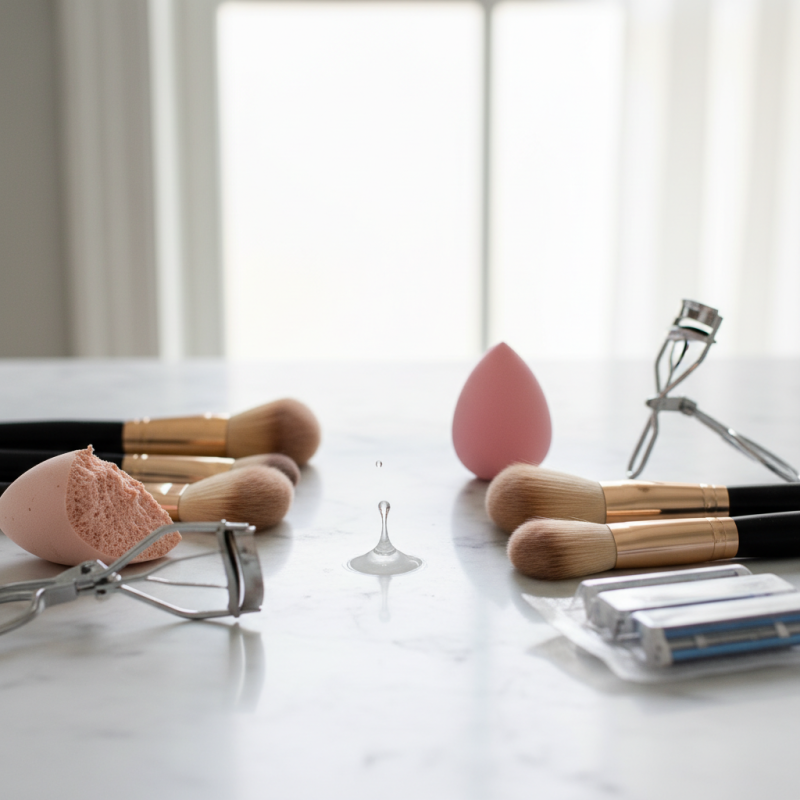
Importance of Hygiene in Beauty Tools for Skin Health
Cleaning and maintaining beauty tools is crucial for skin health. Dirty brushes and sponges can harbor bacteria, leading to breakouts and infections. When you apply makeup with contaminated tools, you transfer these germs directly to your skin. This can cause irritation, acne, and even allergic reactions over time. Regularly replacing these tools helps minimize these risks.
Many people overlook the importance of hygiene in their beauty routines. A study revealed that a significant number of makeup users do not clean their tools regularly. High-quality brushes lose their effectiveness when they become matted with product. They also collect dead skin cells and oil, which can exacerbate skin issues. Replacing tools, like sponges and brushes, every few months ensures you maintain a healthy makeup application.
It's not just about personal preference; it's about understanding the impact of neglect. Habits can be hard to break, and often, the status quo feels comfortable. However, taking a moment to reevaluate your beauty routine can lead to better skin health. A thoughtful approach to cleanliness and tool replacement offers peace of mind. Remember, your skin deserves the best care possible.
Industry Statistics: Bacteria Growth on Unchanged Beauty Tools
Unchanged beauty tools can harbor a startling amount of bacteria. A study found that 65% of makeup brushes tested contained harmful bacteria, including E. coli. These microorganisms thrive in warm, moist environments. Your makeup bag can be just that.
Not cleaning your beauty tools regularly increases your risk of infections. Some tools, like sponges, can absorb moisture and become breeding grounds for bacteria. Another report highlighted that dirty sponges could have up to 10 times more bacteria than a toilet seat. This reveals how easily bacteria can transfer to your skin.
Replacing tools is a crucial aspect of hygiene. Experts recommend replacing sponges every one to three months. Brushes should be washed weekly and replaced every six to twelve months. Regular replacement helps minimize the risk of skin problems. Ignoring this practice can lead to breakouts or irritations. Your skin deserves better than a breeding ground for bacteria.
Why You Should Replace Beauty Tools Often for Hygiene? - Industry Statistics: Bacteria Growth on Unchanged Beauty Tools
| Beauty Tool |
Recommended Replacement Frequency (Months) |
Bacteria Growth after 6 Months (CFU) |
Common Bacteria Strains Found |
| Makeup Brushes |
6 |
5000 |
Staphylococcus, E. coli |
| Sponges |
3 |
15000 |
Bacillus, Salmonella |
| Eyelash Curlers |
12 |
3000 |
Pseudomonas, Staphylococcus |
| Facial Cleansing Brushes |
6 |
4000 |
Candida, E. coli |
| Beauty Blenders |
3 |
6000 |
Propionibacterium, Enterococcus |
Recommended Replacement Frequency for Common Beauty Tools
When it comes to beauty tools, hygiene is paramount. Many people overlook the importance of replacing these items regularly. Here's a closer look at how often you should consider replacements for common beauty tools.
Makeup sponges should be replaced every 1-3 months. They harbor bacteria over time. Regular washing is crucial, but it's not enough. A new sponge can improve application and skin health. Brushes should also be a high priority. Different brushes have varying lifespans. Generally, replace them every 6-12 months. Pay attention to any signs of wear. A frayed brush can cause uneven makeup application.
Don't forget your eyelash curler. This tool should be swapped out every year. The rubber pads wear down, impacting effectiveness. Consider cleaning your tools weekly to ensure optimal hygiene. These tips not only help extend the life of your tools but also contribute to healthier skin. Tools have a lifespan; respect that. Dust, dirt, and oil accumulate easily. Keep track of when you purchased each item. It’s vital for maintaining a good beauty routine.
Impact of Unsanitized Tools on Skin Conditions and Infections
Using unsanitized beauty tools can lead to severe skin conditions. Research shows that 90% of makeup brushes contain harmful bacteria. These bacteria can cause acne, eczema, and skin infections. Regularly replacing beauty tools is essential for maintaining skin health.
Tools like sponges and brushes absorb oils and products. This creates a breeding ground for bacteria. A study revealed that dirty beauty blenders can harbor up to 540 times more bacteria than a toilet seat. This alarming statistic emphasizes the need for cleanliness in beauty routines.
It's easy to overlook the lifespan of these tools. Many people use the same brushes for years. This habit can contribute to adverse skin reactions. Developing a routine for replacing and sanitizing tools can enhance your skin's overall appearance. Remember, your tools should be as fresh as your makeup.
Cost-Benefit Analysis: Investing in New Beauty Tools for Safety
When it comes to beauty tools, hygiene is paramount. Research from the Journal of Cosmetic Science highlights that nearly 30% of makeup tools harbor harmful bacteria. This statistic raises serious concerns about skin infections and breakouts. Some tools, like sponges, can retain moisture, creating a breeding ground for bacteria. Regular replacement can significantly mitigate these risks.
Investing in new beauty tools not only enhances safety but also elevates your overall beauty routine. According to a report by the International Journal of Cosmetic Science, replacing brushes every three to six months can improve product application and skin health. The cost of new tools may be daunting for some, but consider the potential costs of dealing with skin issues. Initial savings on infrequent replacements can lead to higher expenses in treating acne or infections caused by neglected tools.
Reflecting on the importance of hygiene often reveals our own habits. Many people keep tools past their prime. When was the last time you checked your beauty tools? A simple guideline is to inspect them regularly. Look for wear and tear. If they seem worn, it's likely time for a change. Prioritizing hygiene in beauty is not just a trend; it's a necessity for maintaining healthy skin.
Why You Should Replace Beauty Tools Often for Hygiene
Conclusion
Maintaining hygiene in beauty tools is crucial for skin health, as improper sanitation can lead to the proliferation of bacteria that significantly impact skin conditions. Statistics reveal that without proper replacement, beauty tools can harbor harmful bacteria, increasing the risk of infections and breakouts. Therefore, understanding "How Often Should Beauty Tools Be Replaced For Hygiene" is essential.
Common beauty tools should be replaced regularly to ensure safety and effectiveness. A cost-benefit analysis suggests that investing in new tools is a wise decision considering the potential costs associated with skin issues caused by unsanitized tools. Prioritizing cleanliness and timely replacement not only contributes to better skin health but also enhances the overall beauty routine.

 Maray Beauty