How to Simplify Complex Skincare Routines with Beauty Tools?

Time:2026-10-15 Author:Isabella
0%

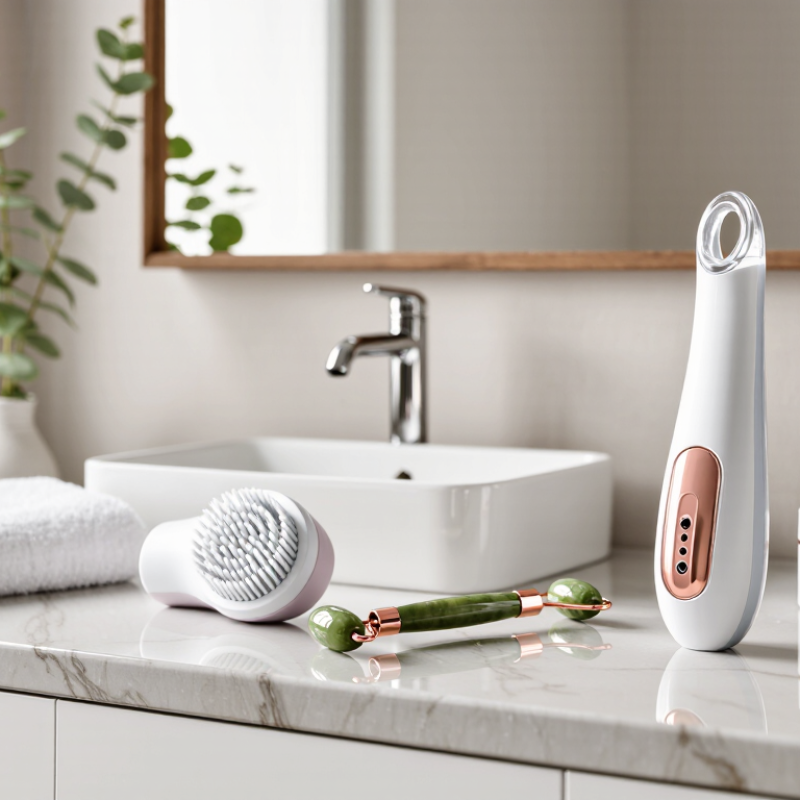
Skincare can become a crowded bathroom ritual, with cleansers, serums, masks, rollers, and devices competing for attention. Beauty Tools That Simplify Complex Skincare Routines offer a more practical approach. They can combine steps, improve application, and make daily care easier to maintain. The goal is not owning every gadget. It is choosing tools that solve a clear problem.

Caroline Hirons, a respected skincare expert and author, has said, “Your skin is not a problem to be solved.” Her reminder matters here. A tool should support healthy habits, not encourage endless correction. A silicone cleansing brush may provide gentle consistency. A facial massage tool may help distribute moisturizer evenly. LED devices can also support targeted routines when used correctly and consistently.

Small changes matter.

Still, simplicity is not always simple. Skin type, sensitivity, product ingredients, and device instructions require careful attention. I have found that attractive tools can become unused drawer decorations when routines become too ambitious. That is an uncomfortable but useful lesson. Reliable choices depend on evidence, transparent instructions, and realistic expectations. This guide examines how to reduce unnecessary steps without ignoring professional skincare advice. It also considers hygiene, frequency, and safe handling. Some tools may improve convenience, but none can replace sleep, sun protection, or qualified medical guidance. A simpler routine should feel manageable at 7 a.m., not impressive only on paper.
How to Simplify Complex Skincare Routines with Beauty Tools?

Understanding How Beauty Tools Fit Into a Skincare Routine

Beauty tools should support a skincare routine, not make it harder. I use them for one clear purpose, such as gentle cleansing or product massage. A soft cleansing brush can help remove sunscreen residue, but pressure matters more than speed. On sensitive skin, aggressive use may cause redness and discomfort. Keep it simple.

Understanding your skin is essential before adding a tool. Dry or reactive skin may prefer a cool roller and a fragrance-free moisturizer. Oily skin might benefit from a carefully used cleansing device, but daily scrubbing is unnecessary. Clean the tool after every use, and never share it. Check the instructions, especially when heat, vibration, or electrical parts are involved. A dermatologist can help when persistent irritation, painful acne, or unusual sensitivity appears. I once assumed more frequent use would improve results. It did not. My skin needed fewer steps and longer recovery.

Tips: Choose one tool at a time. Use it for two minutes or less initially. Apply light pressure on damp skin. Patch-test new products before combining them with a device. Stop if stinging continues. Results are usually gradual, and a simple routine is easier to follow consistently.

How to Simplify Complex Skincare Routines with Beauty Tools? - Understanding How Beauty Tools Fit Into a Skincare Routine

A practical comparison of common beauty tools, their skincare role, recommended use, and routine-simplification value.

Guidance is general and should be adjusted according to skin sensitivity, product instructions, and professional advice.
Beauty Tool Primary Routine Role Best Routine Placement Typical Use Frequency Routine Steps It Can Support Suitable Skin Considerations Hygiene Requirement Simplification Value
Soft Silicone Cleansing Brush Helps distribute cleanser and provide light surface cleansing. First cleansing step, used with a gentle cleanser. A few times per week or as tolerated; daily use may be excessive for sensitive skin. Cleansing and light massage. Use gentle pressure. Avoid irritated, broken, or actively inflamed skin. Rinse after every use, dry fully, and clean according to the tool’s instructions. Medium
Facial Roller Provides a cooling massage and may temporarily reduce the appearance of puffiness. After moisturizer or facial oil to reduce dragging. As desired, commonly several times per week. Moisturizing step and brief facial massage. Generally compatible with most skin types when used with light pressure. Wipe or wash after use and allow the surface to dry before storage. Low
Gua Sha Tool Supports a slow facial massage and can encourage mindful routine time. After a slip-enhancing moisturizer or facial oil. One to three times per week, depending on comfort and skin response. Moisturizing step and facial massage. Avoid strong pressure, active rashes, open lesions, and areas that bruise easily. Clean and dry after every use; do not share without thorough sanitation. Low
LED Light Device Delivers controlled light exposure as an adjunct to a skincare routine. On clean, dry skin before leave-on products, unless instructions specify otherwise. Use only according to the device instructions; schedules commonly range from several sessions per week to daily use. Treatment step; it does not replace cleansing, moisturizing, or sunscreen. Follow eye-protection guidance and seek medical advice if using photosensitizing medication. Disinfect the contact surface according to the manufacturer’s instructions. Medium
Microcurrent Device Provides low-level electrical stimulation as a cosmetic treatment. After cleansing, using the conductive medium required by the instructions. Follow the device schedule; frequent use is common for some at-home devices. Treatment step and brief massage-like application. Avoid use with implanted electronic devices or where contraindicated; consult a clinician when uncertain. Clean the conductive surfaces after each use and keep the device dry. Medium
Facial Steamer Adds warmth and moisture temporarily; it does not replace cleansing. Optional preparation before cleansing or a hydrating mask. Occasionally rather than as a required daily step. Preparation and masking routine. Avoid if heat worsens redness, rosacea symptoms, sensitivity, or discomfort; keep a safe distance. Empty and dry the water reservoir after use and clean it as directed. Low

Simple Routine Framework

Morning
Cleanse if needed → moisturize → broad-spectrum sunscreen.
Evening
Remove makeup or sunscreen → cleanse → moisturize.
Optional Tool
Add one tool only when it clearly supports a specific goal.
Stop If Needed
Discontinue use if burning, persistent redness, swelling, or irritation occurs.

Identifying Which Skincare Steps Can Be Simplified

Many skincare routines become complicated because every product promises a separate solution. In practice, several steps often repeat the same purpose. A gentle cleanser can remove sunscreen, oil, and daily dust without requiring a second wash. A moisturizer may also support the skin barrier after cleansing. Keep it simple.

I once used separate products for hydration, redness, and dullness, then noticed more stinging around my nose. That experience changed how I assess each step. Keep only products with a clear role, such as cleansing, moisturizing, or daily sun protection. A soft cleansing brush may shorten washing time, but it should not replace careful technique. Use light pressure, lukewarm water, and clean the tool after each use. Excessive friction can worsen dryness, even when the skin initially feels smoother.

Specialist guidance generally favors fewer, consistent steps over frequent product changes. If a treatment causes burning, peeling, or lasting redness, pause it and seek professional advice. Facial rollers and cooling tools can feel pleasant, but their effects are usually temporary. They cannot substitute for proven care. My routine still needs adjustment during cold weather or stressful weeks. That is useful feedback, not failure. Review each step every few weeks and ask whether your skin truly benefits from it.

Choosing Beauty Tools for Cleansing, Treatment, and Hydration

A complex skincare routine often becomes easier when each beauty tool has one clear job.

For cleansing, choose a soft silicone brush with gentle movement rather than a rough textured surface. Use it with lukewarm water for about thirty seconds, especially around the nose and jawline. Sensitive or dry skin may need only clean fingertips.

I once used a cleansing brush every morning and night, hoping for smoother skin. My cheeks became tight instead. That experience reminded me that “deep cleaning” is not always better.

Treatment tools should match the product and the skin concern.

A cool facial roller can reduce temporary puffiness, while a low-intensity device may support selected treatments when used according to its instructions. Avoid tools that create pain, heat, or prolonged redness. Clean the device after each use, and never share it.

Professional guidance matters when skin is inflamed, injured, or highly reactive.

Results also need time. One week is rarely enough evidence.

For hydration, a simple misting tool or smooth applicator can spread a lightweight product evenly.

Apply moisturizer while the skin is slightly damp, then check whether the surface feels comfortable after ten minutes. Heavy tools may waste product or encourage unnecessary rubbing.

I still sometimes add too many steps when my skin looks dull. Fewer tools can be more reliable.

A clean, gentle routine is easier to repeat and evaluate.

Building a Practical Step-by-Step Tool-Based Routine

How to Simplify Complex Skincare Routines with Beauty Tools?

A practical tool-based routine begins with fewer steps, not more devices. After cleansing, use a soft facial brush only when your skin feels comfortable. Limit it to one or two minutes, using light pressure around the cheeks and forehead. Avoid broken skin, active irritation, and the delicate eye area. Pat dry with a clean towel, then apply a hydrating serum with your fingertips. Tools should support products, not force them into the skin.

Tips: Clean reusable tools after every use, and let them dry completely. A cool facial roller may briefly reduce morning puffiness, but it cannot replace sleep or medical care. Use a warm compress before moisturizer if your skin feels tight, but stop when redness appears. Patch-test new products, especially before using massage tools. Less friction is usually safer.

In the evening, remove makeup and sunscreen thoroughly before using any device. A gentle cleansing tool can help with consistency, though hands often work just as well. Follow with moisturizer, then store everything in a dry, covered place. I once treated a longer routine as a better routine, but my skin became more reactive. That experience changed my approach: introduce one tool at a time and track discomfort, dryness, or new breakouts for several days. If a tool stings, overheats, or leaves lasting redness, discontinue it and seek qualified dermatological advice.

Maintaining Safety, Hygiene, and Consistent Results

How to Simplify Complex Skincare Routines with Beauty Tools

Maintaining Safety, Hygiene, and Consistent Results

A beauty tool should simplify your routine, not create another source of irritation. Choose one tool for one clear purpose, such as cleansing, massage, or product application. Follow the device instructions, and avoid using it on broken, inflamed, or freshly irritated skin. Less pressure. Gentle contact is usually more practical than aggressive rubbing.

Wash your hands before touching your face. Clean the tool after every use with the recommended method, then let it dry completely in a ventilated place. Do not share personal tools, even with family members. Replace damaged heads, cracked surfaces, or worn attachments. Moisture trapped in small seams can create an unpleasant hygiene problem. I have sometimes rushed this step, and the tool looked clean while its storage case stayed damp.

Consistency also depends on controlling variables. Use the tool at a similar time, with similar pressure, and on clean skin. Introduce only one new tool at a time, then observe redness, dryness, tenderness, or unexpected breakouts for several days. Keep a short record of frequency and skin response; memory is unreliable. Do not improvise with extra sessions when results seem slow. If persistent irritation appears, stop using the tool and seek advice from a qualified dermatology professional. A simpler routine may feel less impressive, but it is easier to monitor and maintain.

FAQS

What tool is suitable for gentle cleansing?

Choose a soft silicone brush with gentle movement. Use lukewarm water for about thirty seconds. Clean fingertips may work better for dry or sensitive skin. Less pressure.

Can deep cleansing improve skin faster?

Not always. Rough surfaces and frequent brushing may cause tight cheeks, dryness, or irritation. A clean, gentle routine is often easier to repeat.

How should I use a treatment tool safely?

Match the tool to the product and skin concern. Follow its instructions carefully. Stop if you feel pain, heat, prolonged redness, or tenderness.

When should I avoid beauty tools?

Avoid them on broken, inflamed, freshly irritated, or highly reactive skin. Seek qualified dermatology advice when irritation continues. Do not push through discomfort.

How can a tool help with hydration?

A simple misting tool or smooth applicator can spread lightweight products evenly. Apply moisturizer while your skin is slightly damp. After ten minutes, check for comfort.

How often should I clean a beauty tool?

Clean it after every use with the recommended method. Let it dry completely in a ventilated place. Damp seams can hide an unpleasant hygiene problem.

Can I share my personal beauty tool?

No. Personal tools should not be shared, even with family members. Replace cracked surfaces, damaged heads, or worn attachments.

How can I judge whether a new tool works?

Introduce only one new tool at a time. Use similar pressure and timing for several days. Record redness, dryness, tenderness, or unexpected breakouts. Memory can mislead me.

Conclusion

A well-designed skincare routine does not need to contain numerous complicated steps. Beauty Tools That Simplify Complex Skincare Routines can help organize essential tasks such as cleansing, targeted treatment, and hydration while making each step more efficient. The key is to identify which products and actions are truly necessary, then select suitable tools that support the skin’s needs without creating unnecessary complexity. Cleansing tools can improve consistency, treatment devices may help apply products more evenly, and hydration-focused tools can encourage gentle, thorough application.

A practical tool-based routine should begin with clean hands and a gentle cleanse, followed by a focused treatment and a simple moisturizing step. Tools should always be used according to their instructions, with suitable pressure and frequency for the individual’s skin condition. Regular cleaning, proper storage, and avoiding shared use are essential for hygiene. By keeping the routine focused, observing how the skin responds, and making gradual adjustments, users can achieve consistent results without overwhelming their daily skincare habits.

Isabella

Isabella

Isabella is a dedicated marketing professional with a sharp focus on driving brand growth and engagement through strategic content creation. With an extensive background in digital marketing, she combines her passion for storytelling with her keen understanding of industry trends to deliver......